Asthma and Chronic Obstructive Airways Disease (COAD/COPD)
Asthma and Chronic Obstructive Pulmonary Disease (COPD) are prevalent respiratory conditions that affect individuals in Australia, impacting their quality of life and overall health. Understanding the incidence, prevalence, diagnosis, and management of asthma and COPD is crucial for promoting respiratory health, providing effective treatment options, and improving outcomes for individuals living with these conditions.
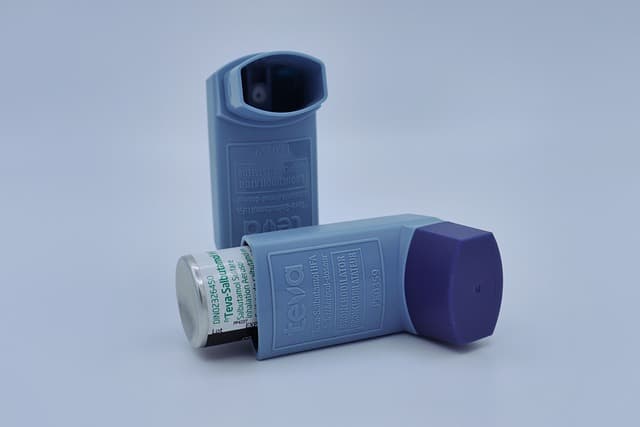
Asthma and Chronic Obstructive Pulmonary Disease (COPD) are prevalent respiratory conditions that affect individuals in Australia, impacting their quality of life and overall health. Understanding the incidence, prevalence, diagnosis, and management of asthma and COPD is crucial for promoting respiratory health, providing effective treatment options, and improving outcomes for individuals living with these conditions.
Incidence and Prevalence of Asthma and COPD in Australia:
Asthma and COPD are common respiratory disorders in Australia, affecting individuals of all ages. Asthma is more prevalent in children and young adults, with an estimated 10% of Australians living with the condition. COPD, on the other hand, is more common in older adults, particularly those with a history of smoking or exposure to environmental pollutants. COPD is estimated to affect around 7.5% of Australians over the age of 40.
Diagnosis of Asthma and COPD:
Diagnosing asthma and COPD typically involves a comprehensive evaluation by a healthcare provider, including a medical history, physical examination, and pulmonary function tests. For asthma, diagnostic tests such as spirometry and peak flow measurements may be used to assess lung function and airway responsiveness. In the case of COPD, imaging studies, such as chest X-rays or CT scans, may be performed to evaluate lung damage and airflow obstruction.
Management of Asthma and COPD:
The management of asthma and COPD focuses on controlling symptoms, preventing exacerbations, and improving lung function to enhance quality of life for affected individuals. Treatment strategies may include medications, lifestyle modifications, pulmonary rehabilitation, and patient education to support respiratory health and well-being.
Classes of Medications and Types Used to Treat Asthma and COPD:
1. Bronchodilators:
- Short-acting beta-agonists (SABAs) and long-acting beta-agonists (LABAs) are commonly used bronchodilators to relax the airway muscles, improve airflow, and relieve bronchospasms in individuals with asthma and COPD.
- Anticholinergics, such as ipratropium and tiotropium, are another class of bronchodilators that help open the airways and reduce mucus production, improving breathing in individuals with COPD.
2. Inhaled Corticosteroids:
- Inhaled corticosteroids, such as fluticasone and budesonide, are anti-inflammatory medications used to reduce airway inflammation, prevent exacerbations, and control symptoms in individuals with asthma and COPD.
3. Combination Inhalers:
- Combination inhalers containing a corticosteroid and a long-acting beta-agonist (LABA) are often prescribed to provide both anti-inflammatory and bronchodilator effects in individuals with asthma and COPD.
4. Leukotriene Modifiers:
- Leukotriene modifiers, such as montelukast and zafirlukast, are oral medications that help reduce inflammation and improve airflow in individuals with asthma by blocking the action of leukotrienes, which contribute to airway constriction.
5. Phosphodiesterase-4 Inhibitors:
- Phosphodiesterase-4 (PDE4) inhibitors, such as roflumilast, are oral medications used to reduce airway inflammation and improve lung function in individuals with severe COPD.
Management of asthma and COPD also includes lifestyle modifications, such as smoking cessation, regular exercise, maintaining a healthy weight, and avoiding triggers that can exacerbate symptoms. Patient education, self-management techniques, and regular monitoring of symptoms are essential components of effective management and control of asthma and COPD.
By raising awareness about the incidence, prevalence, diagnosis, and management of asthma and COPD in Australia, we can support individuals in better understanding their respiratory conditions, accessing appropriate care, and improving their quality of life. It is important for individuals with asthma and COPD to work closely with healthcare providers to develop personalized treatment plans that address their specific needs and goals, leading to better respiratory health outcomes and enhanced well-being.