Eczema
Eczema, also known as atopic dermatitis, is a common skin condition that affects individuals of all ages in Australia. Understanding the incidence, prevalence, diagnosis, and management of eczema is essential for promoting skin health, alleviating symptoms, and improving the quality of life for those living with this condition.
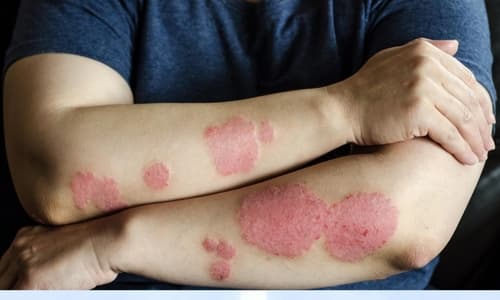
Eczema, also known as atopic dermatitis, is a common skin condition that affects individuals of all ages in Australia. Understanding the incidence, prevalence, diagnosis, and management of eczema is essential for promoting skin health, alleviating symptoms, and improving the quality of life for those living with this condition.
Incidence and Prevalence of Eczema in Australia:
Eczema is a prevalent skin condition in Australia, with estimates suggesting that around 1 in 3 Australians will experience eczema at some point in their lives. It is more common in children, with up to 20% of children affected by eczema, but can also occur in adults. Eczema is characterized by inflamed, itchy, and red skin patches that can be exacerbated by various triggers, such as allergens, irritants, stress, and climate changes.
Diagnosis of Eczema:
Diagnosing eczema typically involves a physical examination by a healthcare provider, who will assess the appearance of the skin, inquire about symptoms, and review the patient's medical history. Eczema is characterized by dry, itchy, and inflamed skin patches that may be red, scaly, or oozing. In some cases, additional tests, such as patch testing or skin biopsies, may be performed to rule out other skin conditions and identify specific triggers that may exacerbate eczema symptoms.
Management of Eczema:
The management of eczema focuses on relieving symptoms, preventing flare-ups, and maintaining healthy skin barrier function. Treatment strategies for eczema may include skincare routines, lifestyle modifications, and medications to help alleviate itching, inflammation, and discomfort associated with the condition.
Classes of Medications and Types Used to Treat Eczema:
1. Topical Corticosteroids:
- Topical corticosteroids are commonly prescribed to reduce inflammation and itching in eczema-affected skin. These medications come in various strengths and formulations, ranging from mild to potent, and are applied directly to the affected areas to alleviate symptoms and improve skin healing.
2. Topical Calcineurin Inhibitors:
- Topical calcineurin inhibitors, such as tacrolimus and pimecrolimus, are non-steroidal medications that help reduce inflammation and immune responses in eczema-affected skin. These medications are often used as alternative treatments for sensitive areas or when corticosteroids are not suitable.
3. Moisturizers and Emollients:
- Regular use of moisturizers and emollients is essential for maintaining skin hydration, protecting the skin barrier, and preventing dryness and irritation in individuals with eczema. These products help soothe the skin, reduce itching, and improve skin integrity.
4. Antihistamines:
- Oral antihistamines may be prescribed to help relieve itching and promote better sleep in individuals with eczema. Antihistamines work by blocking histamine receptors in the body, reducing the itch-scratch cycle and improving overall comfort.
Complications of Eczema:
Eczema can lead to various complications if not adequately managed, including:
- Skin infections: Scratching and broken skin from eczema lesions can increase the risk of bacterial, viral, or fungal infections.
- Psychological impact: Eczema can have a significant impact on mental health, leading to feelings of distress, anxiety, and low self-esteem.
- Sleep disturbances: Itching and discomfort from eczema can disrupt sleep patterns and affect overall quality of life.
It is crucial for individuals with eczema to work closely with healthcare providers, such as dermatologists and allergists, to develop a personalized treatment plan that addresses their specific needs and triggers. Regular skincare routines, avoidance of known triggers, and appropriate medication use are essential for managing eczema effectively and preventing complications. By raising awareness about the incidence, prevalence, diagnosis, and management of eczema in Australia, we can support individuals with eczema in maintaining healthy skin, reducing symptoms, and enhancing their overall well-being.
