Long-Term Effects of Weight Loss Medication: A 2026 Australian Patient Guide
Concerned about the long term effects of weight loss medication? Our 2026 Australian guide covers TGA safety, heart health, and how to maintain your results.

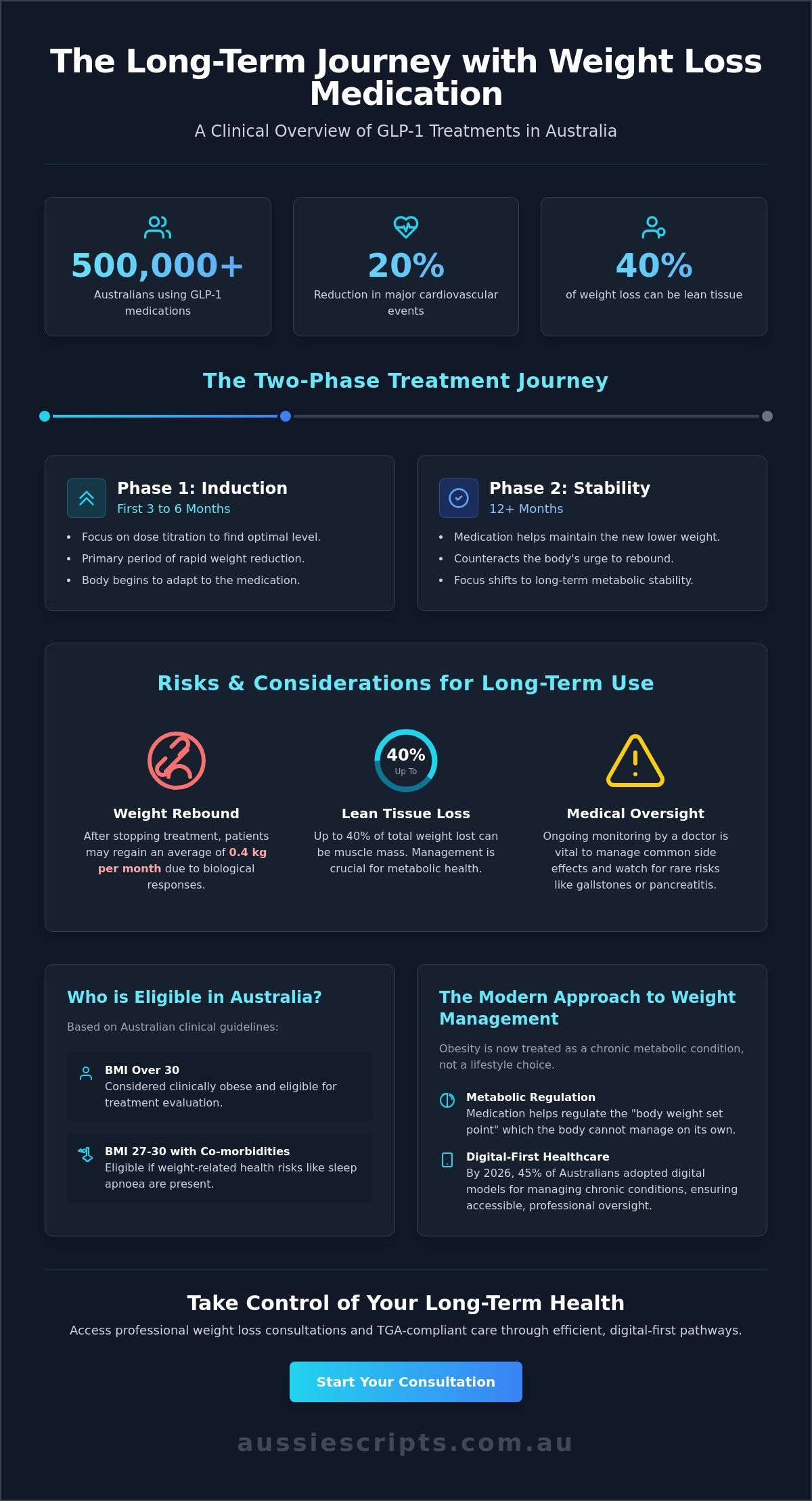
Nearly 500,000 Australians are now using GLP-1 medications for weight management, yet many remain uncertain about what happens after the initial transformation. It's natural to feel anxious about the long term effects of weight loss medication, especially when social media anecdotes clash with professional clinical data. You may worry about potential permanent side effects or the documented reality that patients can regain an average of 0.4 kilograms per month after stopping treatment. These concerns are valid and require a pragmatic, evidence-based response rather than online speculation.
This 2026 guide provides a clinical overview of how these treatments impact your body over months and years. We focus on TGA-regulated safety standards, the 20% reduction in cardiovascular events, and the necessity of managing lean tissue loss, which can account for up to 40% of total weight reduction. You'll learn how to transition from rapid loss to a sustainable maintenance phase. We also explain how digital-first models provide the professional oversight needed to manage obesity as a chronic metabolic condition. This framework helps you move forward with confidence in your long-term health strategy.
Key Takeaways
- Understand why obesity is treated as a chronic metabolic condition requiring long-term regulation rather than a short-term lifestyle fix.
- Evaluate the clinical data regarding the long term effects of weight loss medication, including cardiovascular health improvements and the management of lean tissue loss.
- Identify the risks of weight rebound after treatment cessation and learn how maintenance dosing strategies can help stabilize your results.
- Recognize the importance of TGA-compliant oversight and the role of Australian-registered doctors in monitoring your ongoing safety.
- Discover how to access professional weight loss consultations and script renewals through efficient, digital-first healthcare pathways.
Beyond the First Month: Why Weight Loss Medication is a Long-Term Commitment
Modern clinical perspectives have shifted significantly. We no longer view pharmacological agents that reduce or control weight as temporary aids or short-term "diet pills." Instead, these treatments function as chronic metabolic regulators. Much like medication for hypertension or type 2 diabetes, they manage a physiological condition that the body cannot effectively regulate on its own. When considering the long term effects of weight loss medication, it's essential to understand the "body weight set point." This is the internal thermostat your brain uses to maintain a specific weight. Medication helps lower this set point, but the process takes years of consistency to solidify.
To better understand the clinical evidence behind long-term weight management, watch this medical report on sustained treatment outcomes:
The journey is typically divided into two distinct stages. The induction phase occurs in the first 3 to 6 months. During this time, the focus is on dose titration and initial weight reduction. The stability phase begins after approximately 12 months. This is where the medication works to maintain the new, lower weight and prevent the body's natural urge to rebound. Understanding the long term effects of weight loss medication requires looking past the first month of treatment. Rapid loss is a temporary state, while metabolic stability is the ultimate clinical goal for managing obesity as a chronic condition.
The Biology of Sustained Weight Loss
GLP-1 receptors play a critical role in long-term satiety. These receptors send signals to the brain that reduce hunger and improve insulin sensitivity. For many, relying on willpower alone fails because weight loss triggers hormonal shifts that increase appetite and cravings. It's a biological survival mechanism, not a lack of discipline. Metabolic adaptation is the body’s defensive attempt to regain lost weight by slowing the metabolism. Medication counteracts these biological signals, making it possible to sustain a lower weight over several years.
Who Should Consider Long-Term Treatment?
Australian clinical guidelines recommend these treatments for individuals with a BMI over 30, or a BMI between 27 and 30 if weight-related risks like sleep apnoea are present. Determining your eligibility requires a professional weight loss consultation to ensure the treatment aligns with your specific health profile. Safety is the priority; periodic medical reviews are essential to monitor how your body responds over time and ensure the dosage remains effective. By 2026, 45% of the Australian population has adopted digital-first models to manage chronic health conditions.
Examining the Multi-Year Impact: Clinical Benefits and Potential Risks
While the initial months of treatment focus on weight reduction, the true value of therapy lies in the systemic health improvements that emerge over several years. Data from 2026 indicates that the long term effects of weight loss medication extend far beyond the scale. A landmark study demonstrated a 20% reduction in major adverse cardiovascular events among adults with established heart disease. This suggests that these medications function as powerful preventative tools. Patients often see sustained improvements in blood pressure and cholesterol profiles as they move into the second and third years of treatment. For a broader perspective on available treatments, the Australian guide to weight loss medicines provides a reliable framework for understanding how these options integrate with standard care.
Safety monitoring remains a priority throughout the maintenance phase. Clinical records show that rare but significant risks, such as gallstones or pancreatitis, require ongoing vigilance. Most common side effects, like nausea or gastrointestinal discomfort, typically diminish once a stable maintenance dose is reached. You may also encounter aesthetic changes such as "Ozempic face," which is simply the result of rapid subcutaneous fat loss in the facial area. This is a manageable outcome of significant weight reduction rather than a direct complication of the medication itself. If you have questions about managing these transitions, a weight loss consultation can help clarify your personal risk profile.
Mental health outcomes also shift during long-term therapy. Many patients report a significant reduction in "food noise," the intrusive and constant thoughts about eating. After 12 months, this psychological relief often leads to a more stable relationship with food. However, it's vital to monitor for mood changes, as the brain's reward pathways are being modulated. Professional oversight ensures that these psychological shifts remain positive and support your overall well-being.
Metabolic and Cardiovascular Milestones
Long-term use of GLP-1 medications has shown promising results in achieving Type 2 diabetes remission for some patients. By improving insulin sensitivity and beta-cell function over several years, the body regains better control over blood glucose levels. Additionally, clinicians now emphasize bone density monitoring. Significant weight loss can impact bone mineral density, making it essential to ensure adequate calcium and vitamin D intake as you progress through your journey.
Managing Nutritional Deficiencies Over Time
Sustained satiety can occasionally lead to accidental malnutrition. When your appetite is significantly suppressed, you may not consume enough essential vitamins and minerals. Research indicates that 15% to 40% of weight lost during treatment can come from lean muscle tissue. To counteract this, a focus on high-protein diets and consistent resistance training is mandatory. When appetite is chemically suppressed, every bite must be intentionally nutrient-dense to preserve vital muscle mass and metabolic health.
The 'Maintenance Phase' and the Reality of Medication Cessation
Reaching a target weight is a significant achievement, but it marks the beginning of the most critical stage: the maintenance phase. Clinical data from the STEP 1 trial extension highlights a stark reality for those who stop treatment abruptly. Participants who ceased medication after 68 weeks regained approximately two-thirds of their lost weight within one year. This phenomenon occurs because the biological drivers of obesity remain active. When discussing the long term effects of weight loss medication, we must address the high probability of weight rebound if metabolic support is removed without a structured clinical plan. On average, patients regain weight at a rate of 0.4 kilograms per month after cessation.
Clinicians now differentiate between complete cessation and maintenance dosing. Abruptly stopping can cause a metabolic shock, as the body’s suppressed hunger signals return with increased intensity. A tapering approach is often preferred, where the dosage is gradually reduced while monitoring the patient's metabolic response. The transition from a "losing" mindset to a "maintaining" one is psychological as much as it is physical. It requires a shift from rapid results to steady-state management. For many, this phase involves a long-term commitment to a lower maintenance dose that preserves satiety while minimizing side effects.
Why Weight Regain Happens After Stopping
The return of "food noise" is often the first sign that the medication has cleared the system. Hunger hormones like ghrelin, which were previously suppressed, begin to surge again. This makes maintaining lifestyle habits significantly harder without pharmacological assistance. Before considering a trial off-medication, patients should evaluate their readiness using these indicators:
- Consistent adherence to a high-protein diet for at least six months.
- Established resistance training routine to protect lean muscle mass.
- Stable weight for a minimum of three to six months on a maintenance dose.
- Access to ongoing professional monitoring to catch early signs of rebound.
Long-Term Maintenance Dosing Strategies
Maintenance dosing is not a failure; it's a recognition that the body requires ongoing support to resist metabolic adaptation. Some patients find success by moving to a lower weekly dose that sustains metabolic health without further weight loss. This approach requires regular clinical reviews to ensure the long term effects of weight loss medication remain beneficial and safe. If metabolic complications persist, specialist referrals may be necessary for a deeper endocrine review. Digital medical reviews allow for efficient adjustments to treatment plans, ensuring that your maintenance strategy remains responsive to your body's changing needs.
How Australian Clinical Standards Ensure Safe Long-Term Use
The Australian regulatory framework provides a secure environment for chronic weight management. The Therapeutic Goods Administration (TGA) designated weight loss medications as a priority focus area for 2026-2027. This oversight targets misleading online advertising and ensures clinical claims remain evidence-based. Because the long term effects of weight loss medication require sustained observation, a standard script is never issued without a comprehensive clinical review by an Australian-registered doctor. This process is vital for preventing the distribution of counterfeit products. On March 2, 2026, the TGA issued a safety warning regarding counterfeit oral drops and liquids claiming to contain GLP-1 analogues. Legitimate treatment only occurs through registered pharmacies after a professional consultation.
Telehealth monitoring is built on the same professional standards as physical clinics. Australian digital healthcare platforms must comply with stringent data security and privacy laws to protect sensitive patient records. One critical safety measure is the prohibition of Schedule 8 controlled drug prescriptions via these portals. This ensures that telehealth remains a tool for legitimate metabolic management rather than high-risk prescribing. By adhering to these local regulatory frameworks, digital providers offer a safe pathway for those managing obesity as a chronic condition. This clinical distance maintains the integrity of the prescription process while prioritizing user safety.
The Digital Prescription Process in 2026
Requesting repeat scripts in 2026 is an instructional, step-by-step process. First, you log into the telehealth portal and complete a digital health questionnaire. This update allows your doctor to assess your current weight, side effects, and overall progress. Australian doctors must verify your medical history before every issuance to ensure continued suitability. The convenience of having scripts online means your digital prescription is sent directly to your local pharmacy. This system eliminates the need for physical paperwork while maintaining a clear audit trail of your treatment history. It's an efficient solution for patients who require long-term metabolic support without the delays of traditional office visits.
Ongoing Monitoring and Pathology
Ongoing safety requires more than just a prescription. Your doctor may request periodic pathology tests to monitor kidney function and HbA1c levels. These tests are essential for detecting any adverse long term effects of weight loss medication early. Telehealth providers coordinate these requests with your local pathology centre, allowing you to visit a clinic near your home. If you experience new symptoms or changes in your health, you must report them immediately through a digital consultation. Professional oversight ensures that your treatment plan remains responsive and safe as your body changes. You can maintain this high standard of care by requesting a weight loss consultation through a registered Australian provider.
Managing Your Weight Loss Journey with Aussie Scripts
Navigating the clinical requirements of chronic weight management requires a reliable partner. Aussie Scripts serves as a digital facilitator, connecting patients with Australian-registered doctors who understand the long term effects of weight loss medication. The platform provides 7-day access to professional consultations, ensuring that your treatment plan remains consistent regardless of your location. This national reach is essential for Australians in regional areas who may lack immediate access to specialised metabolic clinics. By 2026, 45% of the population has transitioned to digital-first models for chronic care, prioritising efficiency without compromising on clinical safety standards.
The "Patient-First" approach focuses on removing the logistical friction often found in traditional healthcare settings. You receive the same level of professional oversight and rigorous medical review as a physical office, but with the speed of a modern digital interface. This model is particularly effective for managing the stability phase of your journey, where regular check-ins are required to monitor progress and adjust dosages. Clinical safety remains the anchor of the service. Every consultation is an opportunity to review your metabolic health and ensure your long-term strategy aligns with current TGA guidelines.
Accessing Specialised Weight Loss Programs
Initiating your journey begins with booking a dedicated weight loss consultation online. To prepare for your first digital medical review, you should have your current BMI, recent medical history, and any relevant pathology results ready for discussion. The doctor uses this information to create a personalised long-term roadmap. This plan addresses more than just weight reduction; it focuses on sustaining metabolic health and mitigating the long term effects of weight loss medication such as muscle mass reduction. A professional roadmap provides the structure needed to move from the induction phase into a successful maintenance period.
Streamlined Repeats and Ongoing Care
The Aussie Scripts platform simplifies the management of your treatment history. The digital portal stores your previous consultations and script data, making renewals a straightforward process. For patients with established, stable treatment plans, express script options provide a faster pathway to medication access. This system ensures you never face gaps in your therapy, which is critical for preventing the weight rebound discussed in earlier sections. Ongoing care is managed through regular digital reviews that adapt to your changing physiological needs. Start your professional weight loss consultation with Aussie Scripts today.
Securing Your Long-Term Metabolic Health
Managing obesity as a chronic metabolic condition requires a shift from short-term fixes to a permanent health strategy. By understanding the long term effects of weight loss medication, you can navigate the transition from rapid weight reduction to a stable maintenance phase with clinical confidence. Data confirms that sustained success depends on professional oversight and a structured plan to prevent weight rebound. Australian regulatory standards, enforced by the TGA, ensure that your treatment remains safe and evidence-based throughout every stage of your journey.
Aussie Scripts facilitates this ongoing care by providing direct access to Australian-registered doctors who are AHPRA and TGA compliant. Our services are available 7 days a week nationwide, allowing you to manage your metabolic health with professional precision and digital convenience. You can maintain your progress without the bureaucratic delays of traditional physical clinics while ensuring your treatment plan remains responsive to your body's needs. Take the next step in your health journey today. Book a Weight Loss Consultation with an Australian Doctor to establish a safe, sustainable plan for your future. You have the tools to achieve lasting results; we provide the professional framework to help you keep them.
Frequently Asked Questions
Can I stay on weight loss medication for the rest of my life?
Staying on medication lifelong is a common clinical pathway for managing obesity as a chronic metabolic condition. Many patients transition to a lower maintenance dose once they reach their target weight to prevent metabolic adaptation. This decision depends on your individual health profile and should be discussed during a professional medical review to ensure continued suitability.
How long does it take for long-term side effects to appear?
Most common side effects occur during the first 3 to 6 months while your body adjusts to the dosage. However, monitoring for the long term effects of weight loss medication, such as changes in gallbladder function or kidney health, is an ongoing clinical requirement. Regular pathology tests help your doctor detect these rare issues before they become significant.
What happens if I stop taking weight loss medication suddenly?
Stopping treatment suddenly often leads to a rapid return of hunger hormones and "food noise." Clinical trials show that patients can regain an average of 0.4 kilograms per month after cessation without a tapering plan. A supervised reduction in dosage is the preferred method to minimize metabolic shock and help you maintain your results long term.
Will weight loss medication damage my metabolism in the long run?
These medications are designed to regulate your metabolism rather than damage it. They help reset your body weight set point to a lower level. To protect your metabolic rate, you must prioritize resistance training and high protein intake to prevent the loss of lean muscle tissue, which can account for up to 40% of total weight lost.
How often do I need a doctor review for long-term weight loss scripts?
You typically require a clinical review every three to six months to ensure the treatment remains safe and effective. These reviews allow your doctor to monitor your progress, check for side effects, and issue repeat scripts. Digital consultations provide an efficient way to maintain this necessary professional oversight without the delays of traditional office visits.
Is it safe to get weight loss medication through an online doctor in Australia?
It is safe to access these treatments through online doctors in Australia provided they are AHPRA-registered and follow TGA guidelines. Legitimate platforms verify your medical history and send prescriptions directly to registered pharmacies. You should avoid any service that does not require a formal consultation or offers "Schedule 8" drugs via telehealth.
Can long-term use of weight loss drugs affect my mental health?
Long-term use often improves mental well-being by reducing the psychological burden of food noise and constant hunger. Because these drugs interact with the brain's reward pathways, it's essential to report any mood changes to your doctor immediately. Sustained monitoring ensures the psychological impact of the long term effects of weight loss medication remains positive and supportive.
Does weight loss medication lose its effectiveness after several years?
Most patients experience a weight loss plateau after 12 to 18 months of therapy. This does not mean the medication has stopped working. Instead, your body has reached a new metabolic equilibrium. The medication continues to work during this stability phase to prevent your body from triggering the hormonal signals that cause weight regain.
Disclaimer
The information provided by AussieScripts is for general informational purposes only and does not constitute medical advice, diagnosis, or treatment. For advice tailored to your specific symptoms or health concerns, please consult one of our doctors or your regular GP.
