Male baldness: How to prevent and management hair loss in males
Male hair loss, also known as male pattern baldness or androgenetic alopecia, is a common condition that affects a significant number of men worldwide. It is characterized by progressive thinning and loss of hair, often in a specific pattern on the scalp. In this article, we will explore the aetiology, pathology, symptoms, management, and various medications used in the treatment of male hair loss.
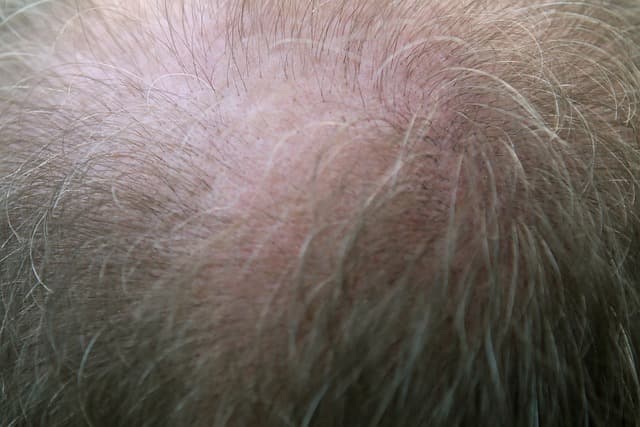
Male hair loss, also known as male pattern baldness or androgenetic alopecia, is a common condition that affects a significant number of men worldwide. It is characterized by progressive thinning and loss of hair, often in a specific pattern on the scalp. In this article, we will explore the aetiology, pathology, symptoms, management, and various medications used in the treatment of male hair loss.
Aetiology:
Male hair loss is primarily influenced by genetic and hormonal factors. In individuals with a genetic predisposition to androgenetic alopecia, the hormone dihydrotestosterone (DHT) binds to hair follicles, leading to miniaturization of the follicles and eventual hair loss. Other factors such as age, stress, and certain medical conditions may also contribute to the development of male pattern baldness.
Pathology:
The pathology of male hair loss involves the gradual shrinking of hair follicles due to the effects of DHT. This leads to a shorter growth phase and thinner, less pigmented hair. Over time, the affected hair follicles may stop producing new hair, resulting in visible baldness on the scalp. The underlying cause of male pattern baldness is a genetic sensitivity of hair follicles to DHT, leading to a progressive reduction in hair density and coverage.
Symptoms:
The primary symptom of male hair loss is gradual thinning and loss of hair, typically starting at the temples and crown of the head. The hairline may recede, and bald patches or a thinning crown may become more apparent over time. Some men may also experience scalp itching, inflammation, or increased shedding of hair.
Management:
The management of male hair loss aims to slow down the progression of hair loss, promote hair regrowth, and improve the overall appearance of the hair. Treatment options for male pattern baldness include:
- Medications: Finasteride and Minoxidil are commonly used medications for the treatment of male hair loss. Finasteride works by blocking the conversion of testosterone to DHT, while Minoxidil promotes hair regrowth by increasing blood flow to the scalp.
- Topical treatments: Minoxidil topical sprays and solutions are applied directly to the scalp to stimulate hair growth.
- Lifestyle modifications: Maintaining a healthy diet, managing stress levels, and avoiding harsh hair treatments can help support overall hair health.
- Hair transplantation: In cases of advanced hair loss, hair transplantation procedures may be considered to restore hair density and coverage.
Complications:
While male hair loss itself is not a serious medical condition, it can have significant psychological and emotional effects on affected individuals. Hair loss may impact self-esteem, body image, and quality of life, leading to feelings of insecurity and distress. Addressing the emotional impact of hair loss and seeking support from healthcare providers or mental health professionals can be important in coping with the effects of male pattern baldness.
In conclusion, male hair loss is a common condition that can have a significant impact on affected individuals. Understanding the aetiology, pathology, symptoms, management, and available treatment options for male hair loss is essential in addressing this condition effectively. By exploring various medications and treatment modalities, individuals experiencing male pattern baldness can work with healthcare providers to develop personalized treatment plans that meet their needs and goals for hair restoration and maintenance.
