Managing Side Effects of Weight Loss Injections: The 2026 Patient Guide
Struggling with GLP-1 side effects? Our 2026 guide helps you master managing side effects of weight loss injections, from nausea to fatigue. Stay on track.

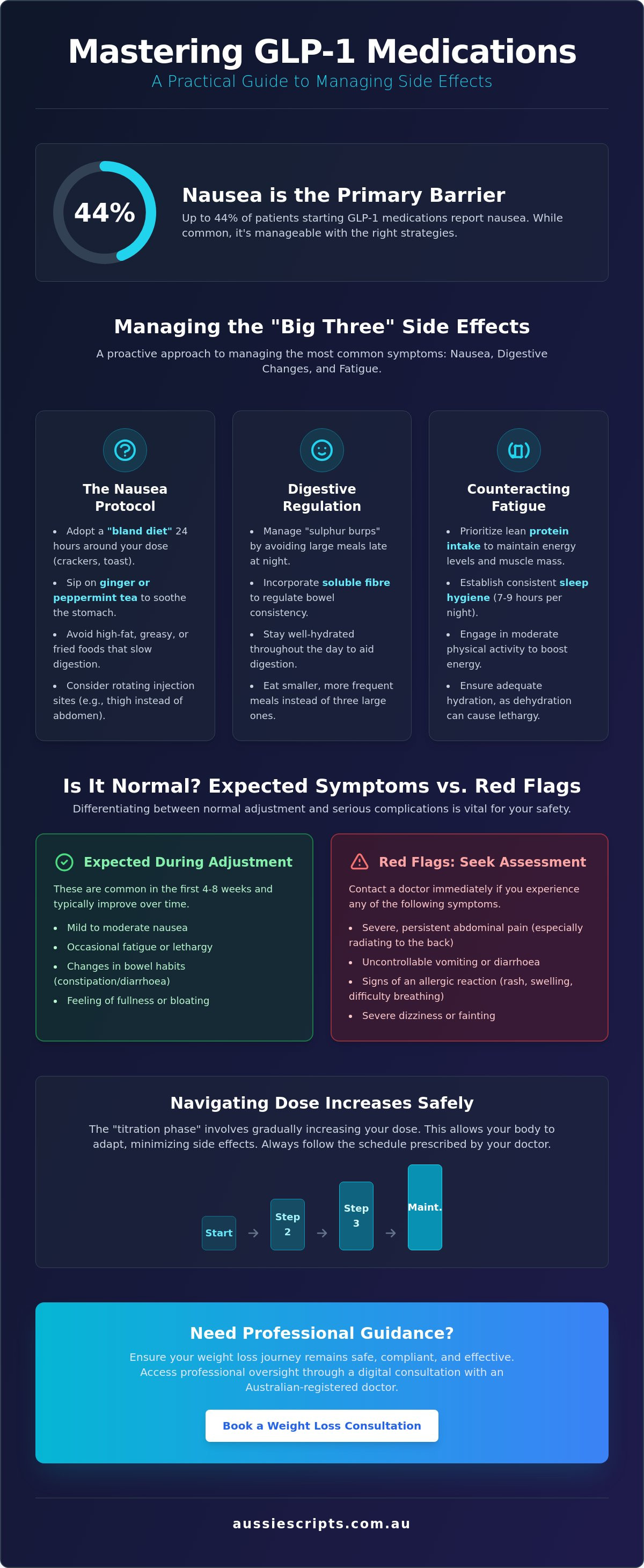
Up to 44% of patients starting GLP-1 medications report nausea as their primary barrier to treatment. While you expect a biological shift when starting a medical weight loss programme, the reality of managing side effects of weight loss injections can make daily work and social commitments feel overwhelming. Persistent "sulphur burps" or digestive urgency often trigger anxiety, leading to fears that a standard side effect indicates a serious medical complication.
You can stay on track by mastering specific strategies to mitigate these symptoms. This 2026 guide provides a pragmatic framework to help you minimise discomfort and maintain your progress. We'll cover the clinical difference between expected symptoms and red flags, provide a clear plan for managing dose increases, and offer practical protocols for eliminating nausea. This guide ensures your journey remains safe, efficient, and predictable.
Key Takeaways
- Understand the biological mechanism of receptor agonists and how to manage the transition as your body adjusts to delayed gastric emptying.
- Implement clinical strategies for managing side effects of weight loss injections to eliminate persistent nausea and social anxiety around digestive symptoms.
- Navigate the titration phase using professional guidelines that prioritise safety and symptom control during mandatory dose increases.
- Apply lifestyle modifications, including specific protein intake and sleep hygiene, to counteract lethargy and maintain physical performance.
- Access professional oversight through digital consultations to ensure your weight loss journey remains compliant with national safety standards.
Understanding Why Weight Loss Injections Cause Side Effects
Weight loss injections operate by mimicking endogenous hormones that regulate appetite. These substances, known as GLP-1 receptor agonists, signal the brain to feel full sooner. However, this biological shift often triggers initial discomfort. Successfully managing side effects of weight loss injections requires understanding that these symptoms are usually a sign the medication is engaging with your metabolic system. It's a temporary physiological recalibration.
A primary function of these medications is delayed gastric emptying. This process slows the rate at which food leaves your stomach, which is essential for weight loss but can lead to bloating or nausea. Clinical data indicates that nausea affects up to 44% of patients, with symptoms typically peaking within the first 48 hours after a dose. These effects are usually transient as the gut and brain synchronise with the new hormonal environment.
To better understand this concept, watch this helpful video:
The Mechanism of Hormone Mimicry
The hypothalamus regulates the body's satiety and nausea responses. When you introduce a synthetic hormone, the brain may interpret the sudden satiety signal as a reason for nausea. This is a common neurological response to rapid hormonal changes. In Australia, the Therapeutic Goods Administration (TGA) monitors these therapeutic classes to ensure safety and efficacy. This oversight ensures that while the mechanism is powerful, it remains within strictly regulated clinical boundaries. Most patients find that the brain eventually filters these signals more effectively, reducing the sensation of sickness.
Normal vs. Abnormal Reactions
Differentiating between expected reactions and serious complications is vital for your safety. The adjustment period typically lasts for the first 4 to 8 weeks of treatment. During this time, mild gastrointestinal upset, occasional fatigue, and changes in bowel habits are considered standard physiological responses. Most symptoms improve significantly after this initial window or once the maintenance dose is reached.
You must distinguish these from red flag symptoms. Severe, persistent abdominal pain that radiates to the back, uncontrollable vomiting, or signs of an allergic reaction require immediate professional assessment. If you experience persistent symptoms that interfere with your daily life, you should book a Weight Loss Consultation with an Australian-registered doctor. They can provide a clinical review and determine if your dosage requires adjustment to ensure the treatment remains safe and effective.
Managing the "Big Three": Nausea, Digestive Changes, and Fatigue
The transition to GLP-1 or GIP medication involves three primary physical hurdles. Most patients encounter nausea, altered bowel habits, or lethargy during the first month. Successfully managing side effects of weight loss injections requires a proactive rather than reactive approach. By implementing specific dietary and hydration protocols, you can maintain your daily routine without significant disruption.
The Nausea Protocol: Beyond Anti-Emetics
Nausea is often the result of the stomach processing food more slowly. To mitigate this, adopt a "bland diet" during the 24 hours surrounding your dose. Focus on ginger, peppermint tea, and dry crackers. It's critical to avoid high-fat or fried foods before your injection; these delay digestion further and often exacerbate sickness. Injection site rotation is another clinical strategy to consider. While efficacy remains consistent, some patients report a reduction in gastrointestinal distress when injecting into the thigh rather than the abdomen. If symptoms persist despite these changes, a Weight Loss Consultation can help determine if a temporary dose adjustment is necessary.
Digestive Regulation: Constipation and Diarrhoea
Delayed gastric emptying can lead to "sulphur burps," which occur when food remains in the stomach long enough to produce hydrogen sulfide gas. You can manage this through dietary timing and enzymatic support. Avoid eating large meals late at night. For bowel consistency, soluble fibre is your most effective tool. It adds bulk to stools during bouts of diarrhoea and softens them during constipation.
- Hydration: Aim for 2 to 3 litres of water daily to support kidney function and prevent stool hardening.
- Electrolytes: Use sugar-free electrolyte formulations if you experience diarrhoea to prevent dehydration-induced fatigue.
- OTC Support: Standard stool softeners are generally safe, but always confirm with your pharmacist.
Psychological Shifts and "Food Noise"
A rarely discussed side effect is the sudden cessation of "food noise." For many, the disappearance of constant cravings is a relief, yet it can also feel jarring. You might find yourself "mourning" your previous relationship with food or feeling social anxiety when appetite is suppressed. This is a normal psychological transition. The priority during this phase is maintaining nutritional density. Because you're eating less, every meal must count. Focus on high-quality nutrients to prevent the lethargy often associated with rapid caloric deficits. Fatigue is frequently a symptom of under-eating or dehydration rather than a direct side effect of the medication itself. Consistent protein intake and structured meal timing can help stabilise your energy levels throughout the day.
The Titration Phase: Navigating Dose Increases Safely
Titration is the methodical process of increasing your medication dose to allow your metabolic system to adapt to hormonal changes. In Australia, clinical protocols for managing side effects of weight loss injections prioritise a "start low, go slow" approach. This strategy minimises the impact on your gastrointestinal tract while your brain recalibrates its satiety signals. While the goal is to reach an effective therapeutic level, the speed of escalation must be balanced against your individual tolerance.
Side effects often peak within the first 72 hours of a dose increase. This happens because the concentration of the medication in your bloodstream reaches a new baseline, temporarily slowing gastric emptying further. If you experience a significant spike in discomfort, it's often a sign that your body requires more time to stabilise at the current level. You don't need to rush the process; clinical success is measured by long-term sustainability rather than how quickly you reach the maximum dose.
The 4-Week Escalation Rule
Standard Australian titration schedules typically involve staying on a specific dose for at least four weeks before escalating. This window allows your body to reach a "steady state" where the medication level remains consistent between injections. Skipping doses or jumping ahead of the prescribed schedule significantly increases the risk of severe vomiting and dehydration. Titration is a clinical safety measure, not a race. Following the 4-week rule ensures that your system is prepared for the next incremental jump in potency.
When to Delay a Dose Increase
You may not always be ready to increase your dose on the standard schedule. If you're still experiencing moderate nausea or digestive urgency at your current level, escalating will likely exacerbate these issues. You should consider staying on your current dose for an additional month if your symptoms haven't plateaued.
- Maintain a side effect diary: Track the timing and severity of symptoms to provide your doctor with objective data.
- Assess weight loss: If you're losing weight effectively on a lower dose, there may be no immediate clinical need to increase.
- Consultation: Use a Weight Loss Consultation to discuss your progress.
Telehealth offers a rapid way to review your titration plan without the delays of a physical waiting room. An Australian-registered doctor can evaluate your diary and authorise staying on a "maintenance dose" for longer if it supports your overall wellbeing. This flexibility is essential for long-term compliance and ensures you don't feel forced to progress faster than your body allows.
Lifestyle Hacks for Long-Term Success
Clinical success depends on lifestyle integration. While the medication handles hormone mimicry, your daily habits determine your comfort level. The "Protein-First" rule is a cornerstone of managing side effects of weight loss injections. Prioritising lean protein like chicken, fish, or tofu at the start of every meal serves two purposes. It provides the amino acids necessary to prevent muscle wastage during rapid weight loss and helps stabilise blood sugar, which reduces the intensity of nausea. If you don't hit your protein targets, you're more likely to experience the lethargy often associated with these treatments.
Meal timing is equally influential. Eating your last meal at least three hours before sleep is essential. Because gastric emptying is delayed, food consumed late at night remains in the stomach much longer. This is the primary trigger for morning nausea and "sulphur burps." If digestion feels "stuck" or you experience significant bloating, a 15-minute gentle walk after eating can stimulate peristalsis. This light physical activity encourages movement through the digestive tract without putting undue stress on your system.
Nutrition as Medicine
Rapid weight loss can occasionally lead to micronutrient deficiencies. You should monitor your levels of Vitamin B12 and Vitamin D, as these are critical for maintaining energy levels and immune function. Use the "Small Plate" method to manage portion sizes visually. This prevents you from accidentally overstretching a stomach that's processing food more slowly than usual. During peaks of digestive sensitivity, avoid carbonated drinks and "air-trapping" foods like broccoli, beans, or cabbage. These often exacerbate bloating and cause unnecessary abdominal pressure.
Monitoring Physical Health
Baseline health metrics provide an objective view of your progress. Regularly monitor your blood pressure and glucose levels, especially if you have pre-existing conditions. You must also distinguish between common injection site reactions, such as mild redness or itching, and systemic allergic reactions. If your symptoms become severe enough that you require a day off work to recover, you can access a Medical Certificate Online Australia through our platform to document your clinical need for rest.
Addressing medication-related lethargy requires strict sleep hygiene. Aim for 7 to 9 hours of quality rest to allow your body to adapt to metabolic changes. If you find that fatigue or nausea is hindering your ability to maintain your treatment plan, you should request a Weight Loss Consultation. Speaking with an Australian-registered doctor ensures your plan remains safe and tailored to your specific physiological response.
The Role of Telehealth in Side Effect Management
Digital healthcare provides a streamlined pathway for managing side effects of weight loss injections without the logistical delays of physical clinics. In Australia, maintaining a relationship with an Australian-registered doctor is a regulatory necessity for safe weight loss management. These practitioners understand the local clinical framework and TGA standards, ensuring your treatment remains compliant and safe. Telehealth removes the friction of traditional appointments, allowing you to access professional advice exactly when your symptoms peak.
Aussie Scripts acts as a digital facilitator, bridging the gap between medication access and ongoing clinical support. To get the best outcome from a telehealth review, prepare your side effect diary in advance. Document the timing of your last dose, the specific nature of your symptoms, and your current dietary habits. This data allows your doctor to make precise adjustments to your treatment plan, such as extending a maintenance dose or modifying your titration schedule.
Convenience Meets Clinical Safety
Digital platforms provide a bridge for patients who require immediate clinical advice. If you experience a peak in side effects during a dose increase, waiting weeks for a physical GP appointment isn't practical. A Weight Loss Consultation allows you to discuss symptom management and dose adjustments promptly. Treatment continuity is also essential for success. Digital scripts and express delivery ensure you don't miss a dose, which keeps your medication levels stable and reduces the risk of side effect spikes. If your symptoms require diagnostic clarity beyond the scope of telehealth, your doctor can provide a Specialist Referral for targeted investigation.
Next Steps: Your Personalised Management Plan
View your side effects as temporary biological adjustments rather than permanent obstacles. Most symptoms resolve within the first 8 weeks of treatment if you follow the correct protocols. Your health transformation is a long-term project, and professional support ensures you reach your goals safely. Use this final checklist to maintain your progress:
- Hydrate: Maintain a minimum of 2 to 3 litres of water daily to support kidney function.
- Titrate: Stick strictly to the "start low, go slow" escalation schedule.
- Communicate: Report persistent symptoms to your clinical team immediately.
You don't have to manage this journey alone. Professional oversight is only a few clicks away. Book a Weight Loss Consultation with Aussie Scripts today to ensure your management plan is optimised for your specific needs.
Optimising Your Medical Weight Loss Results
Successful treatment requires a transition from simply enduring symptoms to actively controlling them. By prioritising lean protein, adhering to a strict titration schedule, and maintaining high hydration levels, you'll significantly reduce the impact of gastrointestinal discomfort. Most patients find that their bodies fully adapt to the medication within the first two months of treatment.
Managing side effects of weight loss injections shouldn't be a solitary process. Professional oversight ensures that your dose increases are safe and that any "red flag" symptoms are addressed immediately. Our platform connects you with Australian-registered doctors who provide 7-day telehealth access for your convenience. We ensure treatment continuity with discreet delivery to your door across Australia.
Take the next step in your health transformation with a clinical partner you can trust. Start your medical weight loss journey with a professional consultation today. With the right management protocols in place, your long-term weight loss goals are well within reach.
Frequently Asked Questions
How long do side effects from weight loss injections usually last?
Side effects generally subside within 4 to 8 weeks as your body adapts to the medication. Most patients experience the highest intensity during the first 48 to 72 hours after an injection. If symptoms persist beyond this initial adjustment period, it may indicate a need for dose modification. Consistent adherence to titration schedules helps ensure these effects remain transient and manageable.
Can I take anti-nausea medication with my weight loss shots?
You can use anti-nausea medications, but you must consult your doctor first to ensure there are no contraindications. Many patients find over-the-counter options effective for managing acute episodes. However, relying on these long-term is not a substitute for proper dietary adjustments. If nausea becomes persistent, a clinical review via a weight loss consultation is necessary to evaluate your current dosage.
What is the best time of day to take my injection to avoid side effects?
Taking your injection in the evening, approximately two hours before bed, allows you to sleep through the initial peak of medication concentration. This timing often reduces the perception of nausea and fatigue. Avoid eating a large or high-fat meal immediately before your dose. Consistency is key; always administer the injection on the same day each week to maintain stable blood levels.
Why am I so tired after starting my weight loss medication?
Fatigue is often a result of rapid changes in blood sugar levels and a significant reduction in caloric intake. Your body is adjusting to a new metabolic state where it processes energy differently. Ensure you are meeting your lean protein targets and staying hydrated with 2 to 3 litres of water daily. If lethargy interferes with your ability to work, a medical certificate may be required for rest.
Is it normal to have "sulphur burps" while on these injections?
Yes, "sulphur burps" are a common result of delayed gastric emptying, where food remains in the stomach longer and produces hydrogen sulphide gas. Managing side effects of weight loss injections like this involves reducing portion sizes and avoiding late-night meals. Focus on easily digestible proteins and limit cruciferous vegetables during the first few days after your dose to minimise gas production.
When should I stop taking the medication and call a doctor?
Cease medication and contact a doctor immediately if you experience severe abdominal pain radiating to your back, persistent vomiting, or signs of an allergic reaction. These can indicate rare but serious complications like pancreatitis. While mild gastrointestinal upset is expected, symptoms that prevent hydration or daily functioning require urgent clinical assessment by an Australian-registered medical professional.
Do side effects come back every time I increase my dose?
It is common for mild side effects to resurface temporarily during the titration phase. Each dose increase introduces a higher concentration of the hormone mimic, requiring a new period of physiological adjustment. These symptoms usually plateau within 3 to 7 days of the new dose. Following the "start low, go slow" protocol is the most effective way of managing side effects of weight loss injections during these transitions.
Can I drink alcohol while managing side effects of weight loss injections?
Alcohol consumption should be limited, as it can exacerbate nausea and increase the risk of low blood sugar. Because the medication already slows digestion, alcohol stays in your system longer and may cause significant gastric irritation. If you choose to drink, opt for small amounts and avoid sugary mixers. Monitoring your body's reaction is vital, as many patients report a decreased tolerance for alcohol while on treatment.
Disclaimer
The information provided by AussieScripts is for general informational purposes only and does not constitute medical advice, diagnosis, or treatment. For advice tailored to your specific symptoms or health concerns, please consult one of our doctors or your regular GP.
