Migraine Headaches
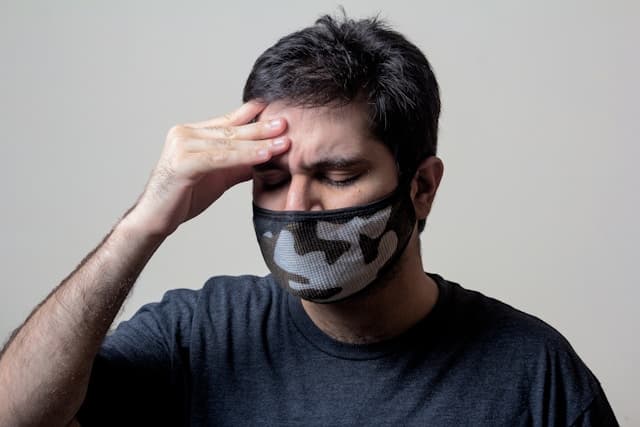
Migraine headaches are a common and debilitating neurological condition characterized by recurrent episodes of moderate to severe throbbing pain, often accompanied by other symptoms such as nausea, vomiting, and sensitivity to light and sound. Migraines can significantly impact an individual's quality of life and daily functioning. In this article, we will delve into the aetiology, pathology, symptoms, management, and complications of migraine headaches.
MIGRAINE HEADACHE
Migraine headaches are a common and debilitating neurological condition characterized by recurrent episodes of moderate to severe throbbing pain, often accompanied by other symptoms such as nausea, vomiting, and sensitivity to light and sound. Migraines can significantly impact an individual's quality of life and daily functioning. In this article, we will delve into the aetiology, pathology, symptoms, management, and complications of migraine headaches.
Aetiology:
The exact cause of migraines is not fully understood, but they are believed to involve a combination of genetic, environmental, and neurological factors. Triggers such as hormonal changes, certain foods, stress, lack of sleep, and environmental factors can precipitate migraine attacks in susceptible individuals. Abnormalities in brain neurotransmitters, blood vessels, and nerve pathways are thought to play a role in the development of migraines.
Pathology:
During a migraine attack, changes in the brain's chemical and electrical activity lead to the activation of pain pathways and inflammation of blood vessels. This results in the characteristic symptoms of throbbing head pain, nausea, and sensitivity to stimuli. The trigeminal nerve, a major pain pathway in the brain, is often involved in migraine pathophysiology. The release of substances like serotonin, calcitonin gene-related peptide (CGRP), and other inflammatory mediators contributes to the pain and other symptoms associated with migraines.
Symptoms:
Migraine headaches are typically characterized by the following symptoms:
- Moderate to severe throbbing head pain, often on one side of the head
- Nausea and vomiting
- Sensitivity to light (photophobia) and sound (phonophobia)
- Visual disturbances (aura) in some cases, such as flashing lights or zigzag lines
- Tingling or numbness in the face or extremities
- Aura (warning symptoms that occur before or during the headache)
Management:
The management of migraines involves both acute treatment to relieve symptoms during an attack and preventive strategies to reduce the frequency and severity of migraine episodes. Treatment options may include:
- Over-the-counter or prescription pain medications
- Triptans, a class of medications that target migraine-specific pathways
- Antiemetics to manage nausea and vomiting
- Lifestyle modifications such as stress management, regular sleep, and exercise
- Dietary changes to identify and avoid trigger foods
Approach to treatment for migraine
Regular habits, lifestyle measures, physiotherapy and complementary therapies can help patients who have migraines (see advice).
Start treatment for migraine at the onset of symptoms. Acute treatment does not appear to reduce aura symptoms. Nonpharmacological measures can give some relief.
The main drug groups for acute treatment for migraine are nonopioid analgesics and triptans. Try a nonopioid analgesic first. Choice of drug depends on efficacy, tolerability and other factors (eg nausea). Naproxen and naratriptan may be slower to take effect, but have a longer duration of action, which may be helpful in rebound headaches. Avoid opioid analgesics, as they should only be used when other drugs are not tolerated or are contraindicated—if needed, refer for expert advice.
Limit nonopioid analgesic use to less than 15 days per month, and limit triptan use (or drugs that contain opioid analgesics) to less than 10 days per month. If used more often, the patient is at risk of medication overuse headache.
If a patient needs treatment for acute migraine on more than 2 to 4 days per month, consider migraine prophylaxis.
Beneficial habits, physiotherapy and complementary therapies for migraine
Based on extensive clinical experience, expert opinion is that nondrug therapy is a key component of migraine management.
People with migraine need to keep regular habits, as change can trigger attacks. Anecdotally, beneficial habits include:
- regular sleep schedules (see advice on good sleep practices)
- minimal variation in blood glucose concentrations (eg eating regular meals, avoiding excess simple carbohydrates)
- adequate hydration (eg drinking 1.5 to 2 litres water daily)
- limited caffeinated beverages (1 to 2 cups daily)
- regular exercise (aiming for 30 to 40 minutes, 3 to 4 times a week; walking is a good option, as exercise that involves jumping or running often provokes migraine in people who have them regularly)
- good workplace ergonomics (especially when using a computer) and regular short breaks (to stretch and to rest eyes)
- regular use of a relaxation technique (eg meditation, mindfulness, yoga, breathing techniques, progressive muscular relaxation), especially if stress is a trigger (biofeedback and cognitive behavioural therapy may help)
- avoidance of patient's known triggers (eg alcohol, monosodium glutamate, citrus fruit, chocolate, preserved meats, perfume).
If a patient has postural problems and neck muscle tightness or limited range of motion, refer to a physiotherapist.
Although supporting evidence is not strong, a three-month trial of magnesium, riboflavin or ubidecarenone (coenzyme Q10) may be tried, because the risk of harm is low. If a supplement is considered appropriate, in an adult, try:
Acute nonpharmacological treatment for migraine
Nonpharmacological treatment that can help migraine includes:
- cold packs over the forehead or back of the skull (targeting the supraorbital and greater occipital nerves)
- hot packs over the neck and shoulders (targeting the innervation of the scalp)
- neck stretches and self-mobilisation
- rest in a quiet dark room.
Acute treatment for migraine with a triptan
When a nonopioid analgesic (with or without an antiemetic) does not relieve the patient's migraine, prescribe a triptan for them to take the next time they have a migraine.
Choice of triptan depends on several factors, and is usually refined after the patient uses a triptan for the first time. If a patient has adverse effects from the first triptan, try naratriptan or eletriptan (at the lower dose of 40 mg)—sometimes these are better tolerated, but may also have a milder acute effect. If rebound headache after effective triptan treatment is a problem, naratriptan may be preferred because of its slower onset and offset. If the patient has severe early nausea, a tablet that dissolves on the tongue (eg rizatriptan) or a nonoral preparation (eg nasal or injectable sumatriptan) may be helpful.
Common drugs are imigran, Maxalt. Do not give ergotamines for 24 hours before or after a triptan.
Some patients respond better to a combination of a triptan and a nonopioid analgesic (eg aspirin, ibuprofen, naproxen).
Complications:
While migraines themselves are not life-threatening, they can have significant complications and impact on quality of life. Chronic migraines, defined as headaches occurring on 15 or more days per month, can lead to disability, decreased productivity, and psychological distress. In some cases, migraines may be associated with an increased risk of cardiovascular events, such as stroke or heart attack, particularly in individuals with specific risk factors.
In conclusion, migraine headaches are a common and complex neurological condition that can have a significant impact on individuals' daily lives. Understanding the aetiology, pathology, symptoms, management, and potential complications of migraines is essential for effective treatment and support for individuals living with this condition. Seeking medical advice from a healthcare provider is crucial for proper diagnosis, individualized treatment, and management strategies tailored to each patient's needs and goals.
Ref:
1. https://tgldcdp.tg.org.au/viewTopic?etgAccess=true&guidelinePage=Neurology&topicfile=migraine&guidelinename=Neurology§ionId=toc_d1e333#toc_d1e333