Rash? Is it innocent or is it bad one?
Rashes are common skin conditions that can present in various forms and have a wide range of causes. While most rashes are harmless and resolve on their own, some may indicate more serious underlying conditions that require medical attention. In this article, we will discuss different types of rashes, signs of dangerous rashes, their aetiology, pathology, symptoms, management, complications, and the importance of consulting with a healthcare provider.
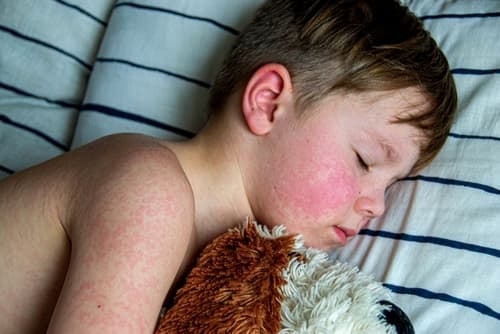
Rashes are common skin conditions that can present in various forms and have a wide range of causes. While most rashes are harmless and resolve on their own, some may indicate more serious underlying conditions that require medical attention. In this article, we will discuss different types of rashes, signs of dangerous rashes, their aetiology, pathology, symptoms, management, complications, and the importance of consulting with a healthcare provider.
Types of Rashes:
1. Contact Dermatitis: Caused by direct contact with irritants or allergens, such as soaps, cosmetics, or plants like poison ivy.
2. Atopic Dermatitis (Eczema): A chronic condition characterized by inflammation and itching of the skin, often associated with allergies.
3. Psoriasis: An autoimmune condition that causes rapid skin cell turnover, resulting in red, scaly patches on the skin.
4. Hives (Urticaria): Raised, itchy welts on the skin that can be triggered by allergies, stress, or infections.
5. Impetigo: A bacterial skin infection that causes red sores or blisters, often seen in children.
6. Shingles: Caused by the reactivation of the varicella-zoster virus, leading to a painful rash with fluid-filled blisters.
7. Heat Rash: Occurs when sweat ducts become blocked, causing red, itchy bumps on the skin.
Signs of Dangerous Rashes:
While most rashes are harmless, certain characteristics may indicate a more serious condition that requires prompt medical attention. Signs of dangerous rashes include:
- Rapidly spreading rash
- Severe pain or tenderness
- Fever
- Difficulty breathing
- Blistering or ulceration
- Rash in the mouth, eyes, or genital area
- Rash in a child with signs of dehydration or lethargy
Aetiology and Pathology:
The aetiology of rashes varies depending on the type of rash. Common causes include infections (bacterial, viral, fungal), allergic reactions, autoimmune conditions, and environmental factors. Pathologically, rashes can result from inflammation, irritation, infection, or immune system dysfunction, leading to changes in the appearance and texture of the skin.
Symptoms:
Symptoms of rashes can vary widely depending on the underlying cause and type of rash. Common symptoms include:
- Redness or discoloration of the skin
- Itching or burning sensation
- Swelling
- Blisters or fluid-filled bumps
- Peeling or flaking skin
- Pain or tenderness
Management and Complications:
The management of rashes depends on the underlying cause and severity of symptoms. Treatment may include:
- Avoiding triggers or irritants
- Topical corticosteroids or antihistamines like advantan cream or fatty ointment, diprosone, eleuphrat cream, hydrocortisone and elocon cream/ointment
- Antibiotics for bacterial infections
- Antiviral medications for viral infections e.g, famciclovir, valaciclovir and acyclovir
- Moisturizers or soothing lotions
Complications of rashes can include secondary infections, scarring, or systemic involvement in more severe cases.
Consultation with AussieScripts Telehealth Services:
If you experience a rash with concerning symptoms or signs of a dangerous rash, it is important to seek medical advice promptly. AussieScripts Telehealth services offer convenient and accessible options for patients to consult with qualified healthcare providers from the comfort of their own homes. Booking a consultation through AussieScripts can help ensure timely evaluation and appropriate management of rashes, leading to better outcomes and peace of mind for patients.
In conclusion, rashes are common skin conditions with a variety of causes and presentations. While most rashes are harmless and resolve on their own, certain signs may indicate a more serious condition that requires medical attention. Patients experiencing concerning symptoms should consider booking a consultation with AussieScripts Telehealth services to receive timely and expert guidance on the management of rashes.
