Symptoms of Low Testosterone in Men: The 2026 Australian Guide
Feeling tired or losing muscle? Learn the symptoms of low testosterone in men. Our 2026 Australian guide explains diagnosis, TGA rules, and how to see a doctor.

Waking up exhausted after eight hours of sleep isn't an inevitable part of getting older. Many Australian men dismiss chronic fatigue, brain fog, and a declining physique as the standard aging process, yet these are often the clinical symptoms of low testosterone in men. If you've noticed a persistent drop in your motivation or difficulty maintaining muscle mass despite consistent effort, your body may be signaling a hormonal imbalance rather than a simple lack of rest. It's frustrating to feel like a passenger in your own body, especially when traditional solutions like more caffeine or extra gym sessions fail to move the needle.
This 2026 guide provides a structured framework to help you distinguish between lifestyle fatigue and a legitimate medical condition. You'll learn how to identify the specific physiological and psychological markers of testosterone deficiency within the Australian clinical context. We'll outline the exact steps for securing a professional medical review, including how to navigate current TGA regulations and PBS eligibility criteria. By the end of this article, you'll have a clear pathway to consult with an Australian-registered doctor discreetly and efficiently.
Key Takeaways
- Distinguish between natural age-related changes and clinical hypogonadism to determine if professional medical intervention is required.
- Identify the specific physical and psychological symptoms of low testosterone in men, ranging from chronic fatigue to cognitive "brain fog."
- Understand the rigorous Australian medical protocol for hormone testing, including why multiple blood tests are essential for an accurate diagnosis.
- Learn how to secure a specialist referral to an endocrinologist or urologist through a professional digital consultation.
- Utilise telehealth as a discreet and efficient first step to discuss sensitive hormonal health concerns with Australian-registered doctors.
What is Low Testosterone (Male Hypogonadism)?
Testosterone is the primary androgenic hormone in the male body. It's responsible for developing and maintaining typical male physical characteristics and regulating various metabolic processes. In 2026, Australian men are increasingly proactive about their hormonal health, moving away from the outdated "suck it up" mentality. This shift is driven by better access to digital health tools and a clearer understanding of how hormonal balance impacts long-term wellness. When production falls below clinically acceptable levels, the condition is medically referred to as hypogonadism. To understand the clinical specifics, it's helpful to review What is Male Hypogonadism? and how it manifests as a chronic deficiency rather than a short-term fluctuation caused by stress or poor sleep.
To better understand how these hormonal changes present in daily life, watch this clinical overview:
A temporary dip in testosterone can occur due to acute illness, extreme physical exertion, or significant psychological stress. However, clinical hypogonadism is a persistent state where the body cannot produce sufficient testosterone to maintain normal physiological functions. This distinction is vital for a correct diagnosis. While a lifestyle adjustment might fix a temporary slump, a chronic deficiency requires a formal medical review. Recognising the symptoms of low testosterone in men early allows for a more efficient path to treatment before the condition impacts metabolic health or bone density.
The Role of Testosterone in the Male Body
Testosterone functions as a critical chemical messenger affecting almost every system in the body. It isn't just about libido; it's a metabolic powerhouse. Its primary roles include:
- Bone Density: It stimulates bone mineralisation and supports red blood cell production in the bone marrow.
- Muscle and Fat: The hormone regulates muscle mass distribution and fat metabolism, helping the body maintain a lean composition.
- Reproductive Health: It is the primary driver for sperm production and the regulation of sexual desire.
When levels are insufficient, these systems begin to underperform. This leads to the broader clinical signs often reported during professional consultations.
Ageing vs. Deficiency: What is Normal?
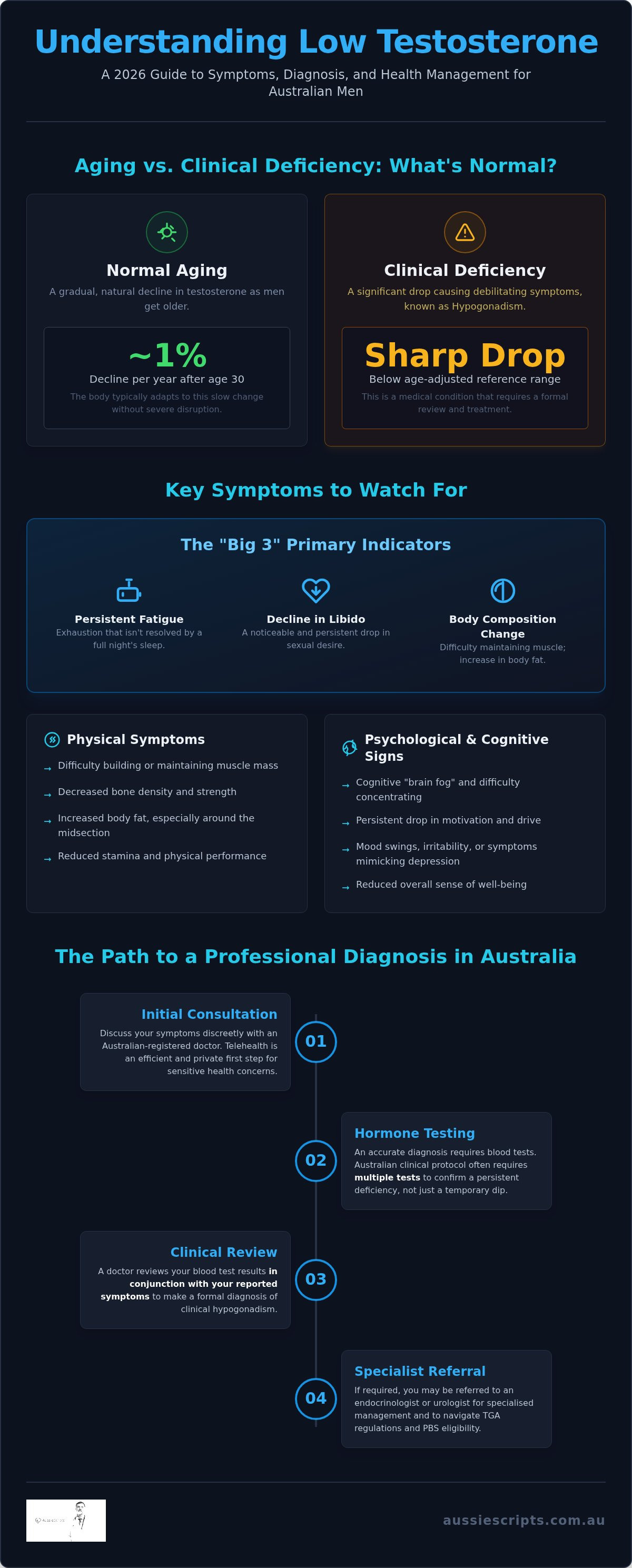
It's a biological fact that testosterone levels naturally decline as men age. This typically begins after the age of 30, with levels dropping by roughly 1% per year. This gradual shift is often managed by the body without severe disruption. However, a clinical deficiency is different. It occurs when levels drop significantly below the age-adjusted reference range or when the decline is accompanied by debilitating symptoms. Feeling "old" or "past your prime" shouldn't be accepted as an inevitable baseline if it stems from a treatable imbalance. If your exhaustion or loss of strength feels disproportionate to your age, it's a signal to investigate the symptoms of low testosterone in men through a formal blood test and medical consultation.
Key Physical and Emotional Symptoms to Watch For
Identifying the symptoms of low testosterone in men requires a holistic view of your health rather than a narrow focus on a single issue. Symptoms rarely appear in isolation; instead, they manifest as a cluster of changes that disrupt your baseline well-being. It's important to understand that not every individual will experience the full spectrum of clinical signs. While one man might struggle primarily with metabolic shifts, another may find cognitive changes more debilitating. These symptoms often mimic other medical conditions, such as clinical depression or thyroid dysfunction, making professional oversight essential for Diagnosing Low Testosterone accurately.
Clinicians typically look for a triad of primary indicators, often called the "Big 3": persistent fatigue that sleep doesn't fix, a noticeable decline in sexual desire, and negative shifts in body composition. If you're experiencing these concurrently, it's a strong indicator that a hormonal review is necessary.
Physical Changes: More Than Just Muscle Loss
While a loss of muscle mass is a well-known marker, the physical impact of low testosterone is more extensive. You may notice an increase in visceral body fat, specifically around the midsection, which remains resistant to diet and exercise changes. In more advanced cases, hormonal imbalances can lead to gynecomastia, the development of enlarged breast tissue, or a noticeable thinning of body and facial hair. Beyond aesthetics, low levels compromise bone mineral density, significantly increasing the long-term risk of fractures and osteoporosis.
Sexual Health and Performance Indicators
Sexual health is often the most immediate concern for men. This isn't just about erectile function; it's a fundamental shift in desire. You might notice a significant drop in libido or a complete absence of spontaneous erections. These changes can be subtle at first but often become more pronounced over time. Additionally, testosterone is vital for sperm production. A deficiency can lead to reduced fertility and lower sperm counts, which are critical factors if you're planning to start a family.
The Psychological Impact: Brain Fog and Mood
The cognitive and emotional effects of low testosterone are frequently overlooked but are often the most disruptive to daily life. Many men report a persistent "brain fog," characterised by a lack of mental clarity and difficulty concentrating on complex professional tasks. You might feel a sudden loss of competitive drive or a general lack of motivation. Mood swings, increased irritability, and symptoms of mild depression are also common. These psychological markers are often accompanied by disturbed sleep patterns, leading to daytime sleepiness that further compounds the feeling of exhaustion. If these mental hurdles are affecting your performance and you recognise these symptoms of low testosterone in men, you can request a specialist referral to discuss your concerns with an Australian-registered doctor.
Common Causes of Low Testosterone in Men
Determining the underlying cause of hormonal deficiency is a critical step in the clinical pathway. It isn't enough to simply observe the symptoms of low testosterone in men; a doctor must identify whether the issue originates in the testes or the brain's signaling centres. This diagnostic distinction dictates the treatment approach and the likelihood of restoring natural production. Factors ranging from genetic conditions to chronic metabolic diseases can disrupt the endocrine system. Understanding these triggers helps patients provide a more accurate medical history during a consultation.
Primary vs. Secondary Hypogonadism
Clinicians categorise hypogonadism based on where the production chain breaks down. This classification is essential for choosing the right medical intervention.
- Primary Hypogonadism: This occurs when the problem lies within the testes themselves. Causes include physical injury, certain autoimmune disorders, or genetic conditions like Klinefelter syndrome. Viral infections, such as mumps if contracted during adulthood, can also permanently damage the Leydig cells responsible for hormone production.
- Secondary Hypogonadism: In this scenario, the testes are functional, but the pituitary gland or hypothalamus fails to send the necessary chemical signals to initiate production. This is often linked to rapid weight gain, certain medications, or pituitary tumours.
- Mixed Hypogonadism: Frequently observed in older men, this involves a combination of decreased testicular function and weakened signaling. Chronic conditions like type 2 diabetes often contribute to this mixed profile.
Lifestyle and Environmental Factors
Modern lifestyle stressors play a significant role in suppressing male hormone levels. Obesity is one of the most prevalent causes, as excess adipose tissue contains aromatase, an enzyme that converts testosterone into oestrogen. This creates a physiological loop where lower testosterone leads to more fat storage, which further reduces hormone levels. Reviewing Low Testosterone Symptoms often reveals a strong correlation with metabolic health markers.
Chronic psychological stress is another major factor. When the body is under constant pressure, it prioritises the production of cortisol. This "cortisol steal" can divert the biological precursors needed for testosterone, effectively shutting down non-essential systems like reproductive health. Additionally, sleep apnoea and excessive alcohol consumption are known to disrupt the deep sleep cycles where the majority of testosterone production occurs. If you're managing chronic stress alongside physical changes, documenting these symptoms of low testosterone in men is the first step toward a clinical solution.
The Path to Diagnosis: Blood Tests and Clinical Reviews
Identifying the symptoms of low testosterone in men is the necessary first step, but clinical confirmation requires a series of pathology tests. The Australian medical protocol is designed to eliminate variables that could lead to a false diagnosis. Doctors don't rely on a single data point because testosterone levels naturally fluctuate based on acute health factors like stress, illness, or poor sleep. A formal diagnosis of hypogonadism requires evidence of persistent deficiency through multiple blood samples. This rigorous approach ensures that treatment is only initiated when a genuine medical need exists.
Why Timing Matters: The Morning Blood Test
Testosterone production follows a strict circadian rhythm, peaking in the early hours of the day. To ensure the most accurate measurement of your peak capacity, pathology labs require samples to be collected between 7:00 am and 10:00 am. Samples taken later in the day often show a natural decline that may incorrectly suggest a deficiency. Doctors typically require at least two separate morning tests to confirm a consistent trend before discussing treatment options. Total testosterone measures the entire amount of hormone in your bloodstream, whereas free testosterone refers to the unbound, biologically active portion that your tissues can actually use.
Interpreting results involves looking at the typical Australian reference range, which generally falls between 10 and 33 nmol/L. However, a result at the lower end of "normal" can still be clinically significant if it's accompanied by severe symptoms. A doctor will evaluate your results against your clinical history rather than relying solely on the numerical value. Understanding these nuances is vital for a correct diagnosis.
Consulting a Professional: What to Prepare
Efficiency in your consultation depends on the quality of information you provide. Prepare a detailed diary of your energy levels, mood, and libido over a two-week period to help the doctor identify patterns. You must also provide a comprehensive list of current medications and supplements, as certain substances can inadvertently suppress hormone production. If your initial review suggests a complex hormonal issue, a specialist referral to an endocrinologist or urologist is the standard next step in the Australian healthcare system. This ensures you receive expert oversight for long-term management.
If you're ready to begin this process, you can book a clinical review with an Australian-registered doctor today to discuss your results and options.
Managing Your Health via Australian Telehealth
Telehealth has fundamentally changed the way men approach hormonal health in Australia. It provides a discreet, professional bridge between recognising the symptoms of low testosterone in men and accessing clinical care. By removing the logistical hurdles and social friction of traditional clinics, digital consultations allow for a more proactive approach to wellness. This model ensures that medical oversight is accessible seven days a week, prioritising your time and privacy. It's a modern extension of the traditional doctor's office, designed for efficiency and clinical reliability.
Discreet Consultations with Aussie Scripts
Discussing sensitive health issues like reduced libido or persistent "brain fog" is often more comfortable in a private, digital setting. Aussie Scripts connects you with Australian-registered doctors who conduct thorough medical reviews from the privacy of your home. You don't have to navigate a public waiting room or wait weeks for an initial appointment. The process is straightforward: you provide your health history through a secure platform, and a doctor reviews your case to determine the appropriate clinical path. If your symptoms or pathology results indicate a need for further investigation, the doctor can provide a Specialist Referral for an endocrinologist or urologist. This ensures you're guided through the Australian healthcare system with efficiency and professional reliability.
The Danger of Unregulated "Testosterone Boosters"
The internet is saturated with non-prescription supplements and "testosterone boosters" that promise rapid results. Most of these products are not regulated by the Therapeutic Goods Administration (TGA) and lack clinical evidence to support their claims. Self-diagnosing or using unregulated substances can be dangerous. These products may contain hidden ingredients that interfere with existing medications or cause adverse side effects. They often fail to address the root cause of your symptoms, leading to delayed treatment for legitimate medical conditions.
Professional oversight is non-negotiable when dealing with hormonal health. If you're experiencing the symptoms of low testosterone in men, a clinical diagnosis based on pathology is the only safe starting point. A regulated medical pathway ensures that any intervention is evidence-based and legally compliant within the Australian framework. Avoiding the risks of unregulated supplements protects your long-term metabolic and cardiovascular health. You can begin this process today by requesting a professional medical review or a Specialist Referral through a secure telehealth consultation.
Taking the Next Step for Hormonal Health
Identifying the clinical symptoms of low testosterone in men is the first step toward reclaiming your physical and mental performance. Chronic fatigue, reduced motivation, and changes in body composition are medical signals that shouldn't be dismissed as a standard part of aging. As outlined in this guide, a definitive diagnosis requires a structured clinical approach involving morning blood tests and professional interpretation of hormone levels. Relying on unregulated boosters or self-diagnosis carries significant health risks; a TGA-compliant pathway is the only safe way to address a persistent hormonal deficiency.
You don't have to navigate these changes alone or wait weeks for an in-person appointment. Secure a private medical review through a platform designed for efficiency and reliability. You can consult an Australian-registered doctor about your symptoms today via our secure telehealth service. Our AHPRA-registered doctors provide specialist referrals and medical reviews seven days a week, ensuring your documentation is delivered digitally without the need for a physical waiting room. Taking control of your endocrine health is a pragmatic decision that supports your long-term wellness and vitality.
Frequently Asked Questions
Can low testosterone cause anxiety or depression?
Yes, low testosterone is frequently linked to psychological symptoms like increased anxiety, irritability, and low mood. The hormone plays a critical role in regulating neurotransmitters in the brain. When levels fall, men often experience a loss of confidence or persistent feelings of sadness that mimic clinical depression. Identifying these emotional shifts as part of the broader symptoms of low testosterone in men is essential for receiving the correct treatment rather than just managing mood with antidepressants.
Is it possible to have low testosterone but a high sex drive?
Yes, it's possible to maintain a high sex drive despite having low testosterone, as hormonal deficiency affects every man differently. While reduced libido is a hallmark sign, some men may only experience metabolic or cognitive symptoms. You shouldn't assume your levels are normal just because your sexual desire remains intact. Other indicators, such as unexplained exhaustion or a loss of muscle mass, are equally valid clinical reasons to seek a formal blood test.
How much does a testosterone blood test cost in Australia?
A private testosterone blood test in Australia generally costs between $59 and $68 if you choose to pay out-of-pocket without a GP referral. These tests typically measure total and free testosterone along with SHBG. However, if you meet specific clinical criteria, many pathology labs can bulk-bill these tests under Medicare when ordered by a doctor. This ensures that cost isn't a barrier for men who require a legitimate medical investigation into their hormonal health.
Can lifestyle changes like diet and exercise fix low testosterone?
Lifestyle changes can improve testosterone levels in cases of secondary hypogonadism linked to obesity or stress, but they won't fix primary testicular failure. Reducing body fat and improving sleep quality can lower the conversion of testosterone to oestrogen. While diet and exercise support endocrine health, they aren't substitutes for medical intervention if a chronic deficiency exists. A doctor will evaluate whether your condition requires clinical treatment or if lifestyle modifications are a viable first step.
What is the "normal" testosterone range for a 40-year-old man?
The standard reference range for total testosterone in adult Australian males is 10 to 33 nmol/L. While this range applies to a 40-year-old, "normal" is a clinical spectrum rather than a single fixed number. A result of 11 nmol/L is technically within the range but may still cause significant symptoms in some individuals. Doctors assess your blood results in conjunction with your reported symptoms of low testosterone in men to determine if treatment is medically necessary.
Does low testosterone cause hair loss on the head?
Low testosterone is more likely to cause a loss of body and facial hair rather than hair loss on the head. Male pattern baldness is typically driven by genetics and a sensitivity to dihydrotestosterone (DHT), a potent byproduct of testosterone. While a severe hormonal deficiency can lead to thinning hair overall, it isn't the primary cause of a receding hairline. If you notice a reduction in beard growth or chest hair, it's a stronger indicator of a hormonal imbalance.
How long does it take to see results if treatment is started?
Most men begin to notice improvements in libido and energy levels within 3 to 6 weeks of starting treatment. Changes in body composition, such as increased muscle mass and reduced body fat, typically take longer and often become apparent between 3 and 6 months. Consistency is key, and regular follow-up blood tests are required to ensure your levels stay within the target therapeutic range. Your doctor will monitor your progress to adjust your management plan as needed.
Can I get a specialist referral for an endocrinologist online?
Yes, you can obtain a specialist referral for an endocrinologist or urologist through a secure telehealth consultation. Aussie Scripts provides digital reviews with Australian-registered doctors who can assess your symptoms and pathology results. If a specialist opinion is clinically indicated, the referral is delivered directly to your device. This allows you to bypass the traditional waiting room and move forward with your medical journey in a discreet, efficient manner that respects your time and privacy.
Disclaimer
The information provided by AussieScripts is for general informational purposes only and does not constitute medical advice, diagnosis, or treatment. For advice tailored to your specific symptoms or health concerns, please consult one of our doctors or your regular GP.
