Talking to a Doctor About Weight Concerns: Complete Australian Patient Guide (2026)
Learn how talking to a doctor about weight concerns can transform your health. Access evidence-based advice, pathology checklists, and Australian telehealth.

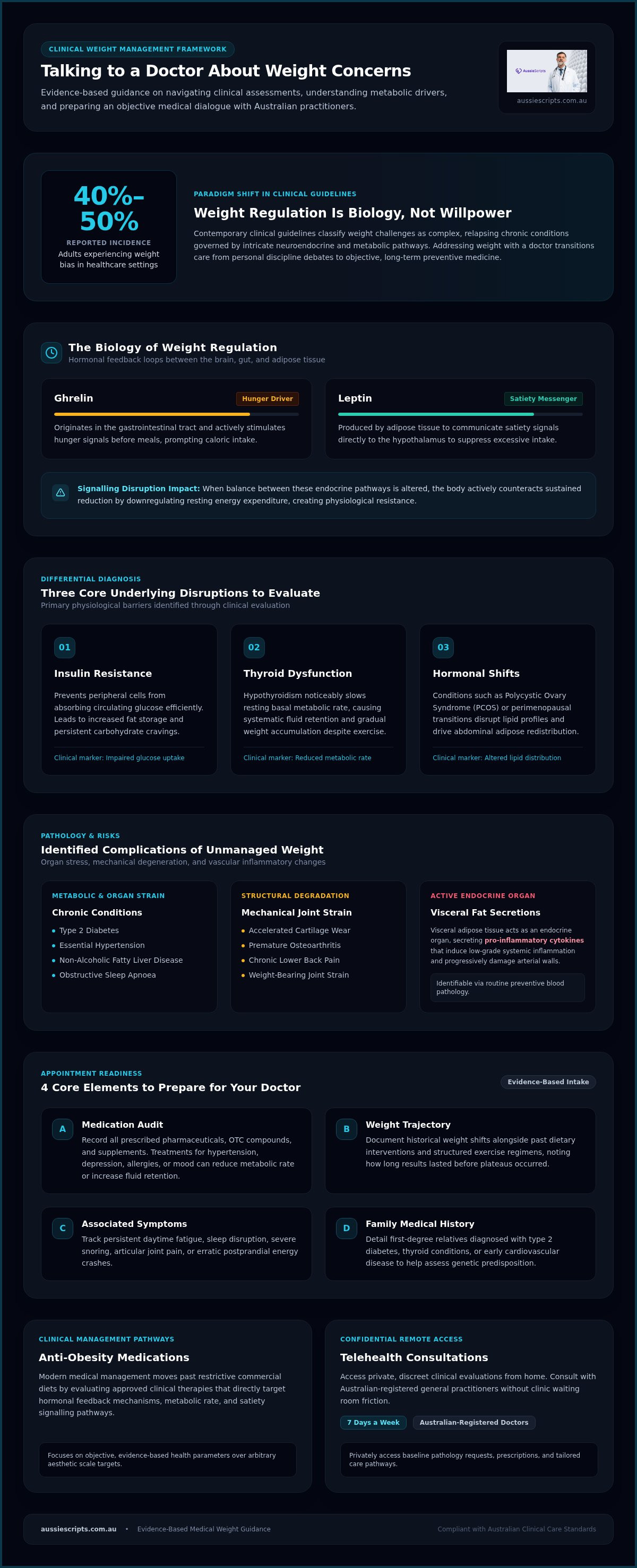
Between 40% and 50% of adults report experiencing weight bias in healthcare settings, which makes talking to a doctor about weight concerns feel daunting rather than supportive. If you have put off seeking medical advice because you dread receiving a lecture on willpower or having unrelated symptoms dismissed, your hesitation is completely valid. Contemporary clinical guidelines recognise weight regulation as a complex metabolic and neuroendocrine process, not an issue of personal discipline.
You deserve an objective, evidence-based consultation focused entirely on your health. This guide provides the practical tools you need to prepare for, initiate, and direct that discussion with an Australian doctor. You will discover which pathology screenings to request, how clinical management pathways differ from commercial diets, and how to access discreet telehealth consultations from home. Here is your step-by-step roadmap to engaging with a practitioner confidently and securing genuine medical support.
Key Takeaways
- Understand the underlying metabolic, hormonal, and genetic drivers that make medical guidance essential for sustainable body composition management.
- Learn practical preparation strategies, including logging your weight trajectory and medication history, to make talking to a doctor about weight concerns straightforward and productive.
- Discover what objective health markers practitioners evaluate during an appointment, from baseline pathology requests to body composition metrics.
- Explore evidence-based clinical management pathways that prioritise long-term health over restrictive commercial diet fads.
- Find out how telehealth consultations connect you privately with Australian-registered doctors seven days a week, removing clinic waiting room friction.
Why Talking to a Doctor About Weight Concerns Is a Vital First Step
Clinical weight management operates far beyond the simplistic formulas of commercial diets. Australian clinical guidelines classify weight challenges as complex, relapsing chronic conditions governed by neuroendocrine systems rather than personal willpower. Initiating this dialogue with a general practitioner shifts the focus from aesthetic frustration to long-term preventive medicine. When approaching this subject, talking to a doctor about weight concerns establishes an objective, evidence-based baseline that significantly reduces long-term cardiovascular and metabolic risks.
Moving Beyond Willpower: The Biology of Weight Regulation
Body mass is primarily regulated by powerful hormonal feedback loops between the brain, gut, and adipose tissue. Ghrelin drives hunger signals before meals, while leptin communicates satiety to the hypothalamus. When these signalling pathways fall out of balance, the body resists sustained weight reduction by slowing resting energy expenditure.
Underlying metabolic and endocrine disruptions can also impair natural weight regulation:
- Insulin resistance: Prevents cells from absorbing glucose efficiently, promoting higher fat storage and persistent carbohydrate cravings.
- Thyroid dysfunction: Hypothyroidism slows metabolic rate, leading to fluid retention and gradual weight gain despite regular physical activity.
- Hormonal shifts: Polycystic ovary syndrome (PCOS) or perimenopausal changes alter lipid profiles and abdominal fat distribution.
Clinical evaluation allows doctors to separate physiological resistance from behavioural habits. In many cases, medical management may involve evaluating clinical therapies such as anti-obesity medications that target these biological feedback mechanisms directly.
Identifying Health Complications Linked to Unmanaged Weight
Excess adiposity places chronic physical stress on internal organ systems. Unmanaged weight increases the risk of developing type 2 diabetes, essential hypertension, non-alcoholic fatty liver disease, and obstructive sleep apnoea. Mechanical strain on weight-bearing joints also accelerates cartilage degradation, contributing to premature osteoarthritis and chronic back pain.
Beyond mechanical stress, visceral fat functions as an active endocrine organ that secretes pro-inflammatory cytokines. This induces low-grade systemic inflammation throughout the vascular system, damaging arterial walls over time. Early medical intervention identifies these asymptomatic markers on routine blood tests before they translate into irreversible vascular damage. Prioritising talking to a doctor about weight concerns ensures these risks are addressed proactively through targeted, medically supervised clinical care pathways.
How to Prepare for Your Medical Weight Consultation
Preparing objective health data transforms a routine visit into a focused diagnostic evaluation. When talking to a doctor about weight concerns, presenting concrete observations helps your practitioner identify clinical patterns quickly. Rather than relying on memory, entering the consultation with documented medical history ensures your clinical time is used efficiently.
Gathering Your Personal Health and Medication History
Begin by creating a concise record of your physical baseline and historical health patterns. Australian practitioners evaluate these clinical variables alongside the Healthdirect guide on clinical weight assessment to rule out secondary causes of weight gain. Focus on compiling four core clinical elements:
- Medication audit: List all prescribed pharmaceuticals, over-the-counter compounds, and supplements. Common treatments for hypertension, depression, allergy management, or mood stabilisation can alter metabolic rate or increase fluid retention.
- Weight trajectory: Record when notable weight shifts occurred alongside past dietary changes, structured exercise programs, and the duration of results before plateaus occurred.
- Associated symptoms: Track persistent daytime fatigue, sleep disruption, severe snoring, joint pain, or erratic energy crashes after meals.
- Family medical history: Detail any first-degree relatives diagnosed with type 2 diabetes, thyroid disorders, or early cardiovascular disease.
Formulating Clear Questions and Functional Health Goals
Establishing clear objectives shifts the appointment away from arbitrary scale weight toward measurable metabolic vitality. Frame your targets around functional outcomes, such as improving cardiovascular stamina, stabilising daytime energy, or reducing mechanical joint discomfort. Having exact phrasing ready prevents hesitation during your appointment:
- "I've experienced persistent weight changes despite maintaining a consistent routine, and I'd like to investigate potential metabolic or hormonal contributors."
- "Can we order comprehensive pathology to examine my fasting glucose, lipid profile, liver enzymes, and thyroid health?"
- "Could any of my current daily prescriptions be interfering with my body composition or insulin sensitivity?"
- "What evidence-based clinical pathways or multidisciplinary referrals would support my cardiovascular health?"
If busy waiting rooms or scheduling friction delay your appointment, booking an online Weight Loss Consultation allows you to review this checklist directly with an Australian-registered doctor from home.
What to Expect During Your Clinical Weight Assessment
A formal medical evaluation differs substantially from an informal fitness check. When talking to a doctor about weight concerns, the focus is on clinical diagnostics rather than moral judgment. According to the Department of Health and Aged Care guidance on overweight and obesity, two in three Australian adults live with overweight or obesity, making this one of the most common chronic conditions assessed in primary care. Your practitioner evaluates objective biometrics, organ function, and physiological drivers to build a complete metabolic profile.
Routine Diagnostic Blood Panels and Health Screenings
GPs rarely rely solely on body mass index (BMI) or waist circumference. Because BMI cannot distinguish between skeletal muscle and visceral adiposity, Australian doctors use targeted pathology referrals to identify underlying drivers:
- Glycaemic markers: Fasting blood glucose and glycated haemoglobin (HbA1c) reveal insulin resistance and identify pre-diabetes before overt symptoms emerge.
- Lipid profile: Measures total cholesterol, high-density lipoproteins, low-density lipoproteins, and triglycerides to calculate cardiovascular disease risk.
- Hepatic and renal panels: Liver function tests evaluate elevated enzymes associated with metabolic dysfunction-associated steatotic liver disease (MASLD), while kidney panels check filtration rates.
- Endocrine screening: Thyroid-stimulating hormone (TSH) tests rule out underlying hypothyroidism, while specific hormone assays screen for polycystic ovary syndrome (PCOS).
Assessing Underlying Conditions and Lifestyle Stressors
Biochemical markers tell only half the story. Your consultation also explores the physiological toll of environmental and behavioural stressors that disrupt metabolic equilibrium.
Doctors evaluate chronic elevation of systemic cortisol from sustained workplace stress, which promotes central visceral fat deposition. Sleep architecture is another vital screening component. Fragmented sleep, morning headaches, and persistent daytime exhaustion often signal obstructive sleep apnoea. Left unmanaged, sleep apnoea worsens insulin sensitivity and spikes ghrelin levels, locking the body into a biological drive to overconsume energy.
Practitioners also assess psychological factors with clinical neutrality. Screening for depressive symptoms, chronic anxiety, and patterns of emotional eating ensures that mental health support integrates directly with metabolic interventions. By talking to a doctor about weight concerns, you initiate a thorough, multi-system diagnostic process designed to uncover and address every barrier to your long-term health.
Medical Weight Management Options an Australian Doctor May Discuss
Modern clinical pathways view sustainable body composition as an outcome of multi-system medical care rather than rapid deprivation. When talking to a doctor about weight concerns, treatment options extend far past standard diet sheets. Australian practitioners evaluate clinical interventions based on your risk profile, pathology findings, and prior weight trajectory to build a tailored plan.
Lifestyle and Behavioural Modification Frameworks
Medical nutrition therapy prioritises metabolic preservation over severe caloric restriction. Severe deficits trigger hormonal adaptations that reduce resting energy expenditure and accelerate muscle wasting. Your doctor may structure dietary adjustments around steady macronutrient distribution:
- Satiety and protein intake: Prioritising adequate dietary protein protects skeletal muscle mass during weight reduction and supports gut hormone signalling.
- Viscous fibre: High-fibre dietary strategies slow gastric emptying and blunt postprandial glucose spikes.
- Resistance training: Clinical exercise physiology prioritises progressive strength training over excessive endurance cardio, safeguarding bone mineral density and resting metabolic rate.
- Behavioural reconditioning: Identifying psychological triggers helps break emotional eating loops and improves stress resilience.
Prescription Weight Management Therapies and Referrals
For patients who meet specific clinical thresholds, pharmacotherapy serves as an adjunct to nutritional interventions. Under guidelines established by the Therapeutic Goods Administration (TGA), medical therapies may be considered for adults with a body mass index (BMI) of 30 or higher, or a BMI of 27 or higher alongside obesity-related comorbidities like hypertension or dyslipidaemia.
Prescription options target appetite regulation pathways in the central nervous system and gastrointestinal tract. Because these medications alter physiological processes, continuous oversight by Australian-registered doctors is mandatory to manage gastrointestinal side effects, monitor dosage titrations, and assess clinical efficacy.
Complex presentations frequently benefit from targeted multidisciplinary care. If advanced clinical management is required, your doctor can coordinate care by issuing a Specialist Referral to an endocrinologist, accredited practising dietitian, or bariatric surgeon. When standard lifestyle interventions fail to yield results, talking to a doctor about weight concerns connects you directly to regulated, evidence-based medical interventions. If you are ready to evaluate clinical pathways tailored to your health history, book an online Weight Loss Consultation with an Australian-registered practitioner today.
Accessing Confidential Weight Consultations Online via Telehealth
Physical waiting rooms often introduce unnecessary friction, particularly when addressing sensitive health matters. Fear of perceived judgment or encountering acquaintances leads many patients to postpone essential primary care. Telehealth transforms this dynamic by establishing a secure, clinical environment. When you prioritise talking to a doctor about weight concerns through a dedicated virtual platform, the entire interaction occurs within the privacy of your own space, eliminating social anxiety and keeping the focus squarely on your metabolic health.
The Convenience and Discretion of Digital Medical Care
Digital consultations remove the logistical hurdles common to physical general practice visits. You avoid traffic, parking hassles, and sitting in crowded waiting areas alongside acutely unwell patients. Telehealth services connect you directly with Australian-registered doctors nationwide seven days a week. This availability accommodates demanding work schedules and family commitments, allowing you to access clinical guidance at a time that suits your routine.
Initiating Your Consultation with Aussie Scripts
Beginning your clinical assessment online involves a transparent, step-by-step process compliant with Australian healthcare standards:
- Intake assessment: Complete a confidential digital questionnaire covering your weight trajectory, current prescriptions, and specific health goals.
- Clinical evaluation: Connect with an Australian doctor for a thorough medical discussion. Your practitioner assesses underlying metabolic factors, reviews clinical history, and discusses evidence-based interventions tailored to your circumstances.
- Pathology and prescriptions: If baseline blood work is required, your practitioner issues electronic pathology requests immediately. When clinically indicated, prescription treatments are sent directly to your phone via SMS as an eScript.
- Ongoing clinical monitoring: Scheduled digital reviews allow your practitioner to assess progress, adjust interventions, and monitor treatment tolerance over time.
Modern digital care ensures that talking to a doctor about weight concerns is straightforward, private, and professionally supported. You don't have to navigate complex clinical pathways alone or endure prolonged waiting periods. Take a proactive step toward protecting your metabolic wellbeing by booking a confidential Weight Loss Consultation today.
Take Control of Your Metabolic Health Today
Navigating weight management requires clinical objectivity, not guilt or guesswork. By treating body mass regulation as a neuroendocrine process, you can replace restrictive cycles with evidence-based medical strategies. Talking to a doctor about weight concerns gives you access to essential diagnostic pathology, targeted clinical oversight, and multidisciplinary treatment pathways designed around your long-term health.
Modern telehealth eliminates the barriers of inconvenient travel and crowded waiting rooms. Aussie Scripts connects you directly with Australian-registered doctors nationwide seven days a week, providing comprehensive clinical assessments tailored to your unique metabolic profile. If you are ready to explore safe, medically guided interventions from the privacy of your home, Book a Confidential Weight Loss Consultation with an Australian Doctor today and take the first confident step toward lasting vitality.
Frequently Asked Questions
How do I bring up weight loss with my GP without feeling uncomfortable?
Lead with functional health markers rather than personal appearance. Open the discussion by stating that you want to check your metabolic health, review your family cardiovascular history, or evaluate persistent fatigue. Approaching the conversation this way frames your appointment around preventive medical care. When talking to a doctor about weight concerns, presenting objective observations shifts the dynamic away from willpower toward collaborative clinical diagnostics.
Will my doctor run blood tests if I express concern about my weight?
Yes, comprehensive pathology is standard practice during a medical weight assessment. Australian practitioners routinely request a fasting lipid profile, fasting blood glucose, and glycated haemoglobin (HbA1c) to screen for pre-diabetes and insulin resistance. They also order liver and kidney function panels and a thyroid-stimulating hormone (TSH) test. These targeted blood assays help rule out hormonal deficiencies and establish an accurate physiological baseline before treatment begins.
What criteria do Australian doctors use to recommend medical weight interventions?
Doctors refer to clinical guidelines defined by the Therapeutic Goods Administration (TGA) and national health bodies. Pharmacological therapies are generally evaluated for adults with a body mass index (BMI) of 30 or higher. They may also be considered for patients with a BMI of 27 or higher who have weight-related medical conditions, such as hypertension, dyslipidaemia, or sleep apnoea, alongside lifestyle modifications.
Can I discuss weight concerns with a doctor online through telehealth?
Yes, Australian telehealth services offer fully confidential medical consultations for weight management. Qualified, Australian-registered doctors review your documented health history, evaluate physiological factors, and coordinate diagnostic testing remotely. Telehealth platforms operate seven days a week nationwide, allowing you to access clinical guidance without travel delays, waiting room exposure, or scheduling friction.
Are medical weight management prescriptions available through an online consultation?
Prescriptions can be issued via telehealth when an Australian-registered doctor determines it is clinically appropriate. Regulated medical standards prohibit questionnaire-only prescribing, so an authentic clinical assessment is legally required. If approved, your practitioner generates an electronic script sent straight to your mobile phone via SMS, which you can have filled at any community pharmacy or through home delivery.
What should I do if my doctor dismisses my weight concerns?
You have every right to seek a second clinical opinion from a practitioner experienced in modern metabolic medicine. Outdated views sometimes treat weight regulation purely as a behavioural choice rather than a neuroendocrine condition. If your concerns are overlooked without diagnostic investigation, booking an online Weight Loss Consultation connects you with doctors who approach metabolic health with non-judgmental, evidence-based care.
How often should I follow up with a doctor during a weight management journey?
Initial medical follow-ups typically occur every four to six weeks. These regular reviews allow your doctor to monitor treatment tolerance, assess metabolic blood markers, manage side effects, and adjust dosage titration schedules. Once your clinical markers stabilise and long-term habits are established, check-ins generally transition to a maintenance schedule every three to six months to support sustainable results.
Disclaimer
The information provided by AussieScripts is for general informational purposes only and does not constitute medical advice, diagnosis, or treatment. For advice tailored to your specific symptoms or health concerns, please consult one of our doctors or your regular GP.
