Title: Comprehensive Overview of Common Skin Conditions and Treatment Options
Skin conditions can significantly impact an individual's physical appearance and self-esteem. This article will provide an in-depth insight into the medical treatment and drugs used to address common skin conditions such as melasma, anti-aging, acne, rosacea, uneven skin tone, and perioral dermatitis.
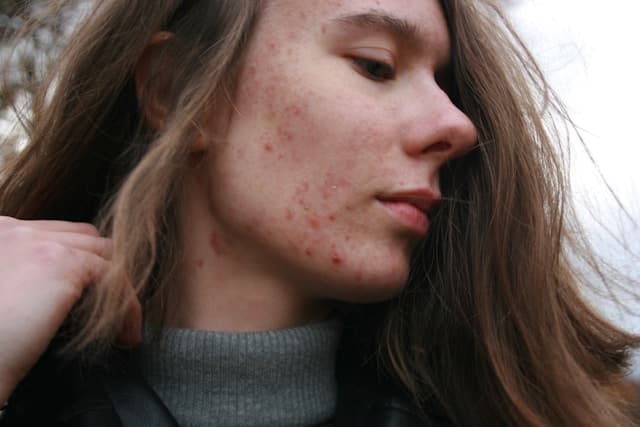
Melasma:
Melasma is a common skin condition characterized by hyperpigmentation, leading to dark patches on the skin, particularly on the face. Treatment options for melasma typically involve topical agents such as hydroquinone, retinoids, corticosteroids, and azelaic acid. Procedures like chemical peels, microdermabrasion, and laser therapy may also be recommended for severe cases.
Anti-Aging:
As individuals age, the skin undergoes various changes, including the development of fine lines, wrinkles, and loss of elasticity. Anti-aging treatments aim to reduce these signs of aging and promote youthful skin. Commonly used anti-aging products include retinoids, antioxidants (such as vitamin C and E), peptides, and hyaluronic acid-based products. Procedures like Botox injections, dermal fillers, and laser resurfacing are also popular options for combating aging skin.
Acne:
Acne is a prevalent skin condition characterized by the formation of pimples, blackheads, and cysts due to clogged pores and bacterial inflammation. Treatment options for acne include topical agents like benzoyl peroxide, salicylic acid, retinoids, and antibiotics. Oral medications such as oral contraceptives, isotretinoin, and antibiotics may be prescribed for severe cases of acne.
Rosacea:
Rosacea is a chronic skin condition that causes facial redness, flushing, and visible blood vessels. Treatment for rosacea may involve topical medications like metronidazole, azelaic acid, and brimonidine. Oral antibiotics, laser therapy, and lifestyle modifications (such as avoiding triggers like spicy foods and alcohol) are also recommended to manage rosacea symptoms.
Uneven Skin Tone:
Uneven skin tone is characterized by patches of hyperpigmentation or hypopigmentation, leading to an overall uneven complexion. Treatment options for uneven skin tone include topical agents like hydroquinone, retinoids, vitamin C serums, and chemical peels. Sunscreen use and regular exfoliation are essential for maintaining an even skin tone.
Perioral Dermatitis:
Perioral dermatitis is a facial rash that typically affects the area around the mouth, nose, and eyes. Treatment for perioral dermatitis may involve topical antibiotics like metronidazole or erythromycin, as well as oral antibiotics in severe cases. Avoiding topical steroids and harsh skincare products is crucial in managing perioral dermatitis flare-ups.
Conclusion:
Effective management of common skin conditions like melasma, anti-aging, acne, rosacea, uneven skin tone, and perioral dermatitis requires a tailored approach that may include a combination of topical medications, oral therapies, cosmetic procedures, and lifestyle modifications. Consulting a dermatologist for personalized treatment recommendations is essential for achieving optimal skin health and improving overall quality of life.