Unraveling Rosacea and Psoriasis: A Comprehensive Analysis of Two Common Dermatological Conditions
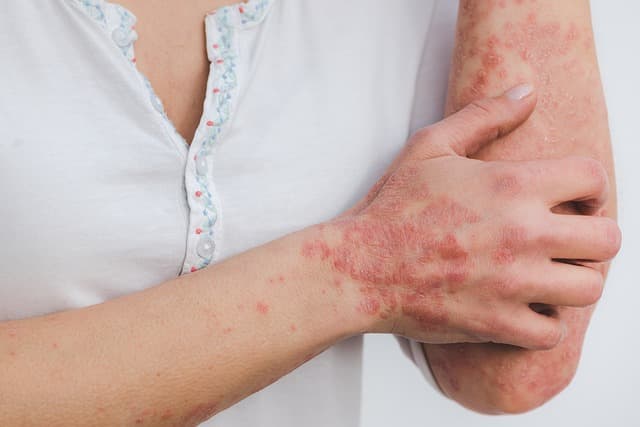
Psoriasis is a chronic autoimmune disorder characterized by accelerated skin cell growth, resulting in red, scaly patches known as plaques. Genetic factors, immune system dysregulation, and environmental triggers such as stress, infections, and medications can contribute to the development of psoriasis.
Pathology:
Psoriasis involves the hyperproliferation of keratinocytes in the epidermis, leading to the formation of raised, silvery scales on the skin surface. Immune-mediated inflammation plays a key role in the pathogenesis of psoriasis, triggering the release of cytokines and chemokines that promote skin cell proliferation and inflammation.
Symptoms:
Symptoms of psoriasis vary in severity and presentation, ranging from mild, localized plaques to widespread involvement of the skin and nails. Common manifestations include red, scaly patches, itching, burning sensations, and nail changes such as pitting or discoloration.
Management:
Treatment of psoriasis aims to reduce inflammation, slow down skin cell growth, and alleviate symptoms. Topical corticosteroids, vitamin D analogs, and retinoids are commonly used to manage mild to moderate psoriasis, while systemic medications like methotrexate, cyclosporine, or biologic agents may be prescribed for severe cases.
Complications:
Psoriasis is associated with several comorbidities, including psoriatic arthritis, cardiovascular disease, metabolic syndrome, and psychological disorders like depression and anxiety. Severe psoriasis can impact quality of life, leading to disability, joint damage, and increased risk of cardiovascular events.
Conclusion:
Rosacea and psoriasis are complex dermatological conditions that require a multifaceted approach to diagnosis and management. By understanding the underlying causes, clinical features, treatment modalities, and potential complications of rosacea and psoriasis, healthcare providers can offer comprehensive care and support to individuals affected by these chronic skin disorders. Early intervention, personalized treatment plans, and ongoing monitoring are essential in improving outcomes and enhancing the quality of life for patients living with rosacea and psoriasis.
