What to Eat on Mounjaro: 2026 Nutrition Guide
Discover what to eat while on Mounjaro with our 2026 clinical nutrition guide. Protect muscle, reduce nausea, and maximise fat loss results.

What if the secret to successful weight loss on Mounjaro isn't about eating less, but about eating with clinical precision? When your appetite significantly diminishes, every mouthful must serve a specific physiological purpose. Many patients find that as their hunger fades, new anxieties about nausea, bloating, and muscle loss take its place. It's common to feel overwhelmed by conflicting dietary advice while you're trying to manage the physical side effects of a potent medical treatment.
This 2026 guide provides a professional framework on what to eat while on mounjaro to ensure you're losing fat rather than lean tissue. We'll move past generic suggestions to focus on nutrient density and gastrointestinal comfort. You'll learn which high-protein sources protect your muscle mass and which specific fibres help manage common side effects like constipation or reflux. We also outline a logical progression for building the long-term habits required for weight maintenance. By following this clinically grounded approach, you can reduce the daily friction of your treatment and prioritise your health outcomes with confidence.
Key Takeaways
- Understand how delayed gastric emptying impacts your appetite and why adjusting portion sizes is essential for gastrointestinal comfort.
- Master the "Protein-First" rule to protect lean muscle mass and learn exactly what to eat while on mounjaro to maintain high nutrient density.
- Identify specific dietary triggers, such as high-fat and fried foods, that frequently cause nausea and gastrointestinal distress.
- Adopt a micro-meal schedule and the "Bite-Chew-Wait" method to align your eating habits with your body's slowed digestive pace.
- Recognise the critical role of professional clinical oversight in managing side effects and ensuring long-term treatment success.
Understanding the Mounjaro Metabolic Shift
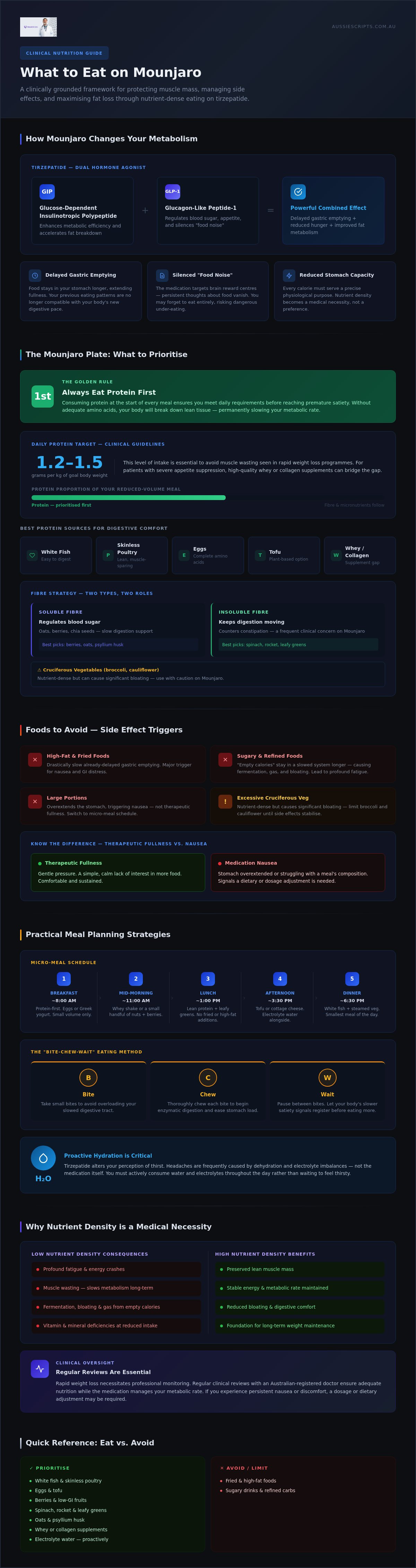
Mounjaro (tirzepatide) operates differently than traditional weight loss methods. It acts as a dual agonist, mimicking two key hormones: glucose-dependent insulinotropic polypeptide (GIP) and glucagon-like peptide-1 (GLP-1). While GLP-1 is well-known for regulating blood sugar and appetite, the addition of GIP enhances metabolic efficiency and fat breakdown. This dual action makes the medication highly effective, but it requires a fundamental shift in your dietary strategy.
A primary physiological change you will experience is delayed gastric emptying. This process slows the rate at which your stomach contents move into the small intestine. You feel full for longer because food literally remains in your system for an extended period. Because of this shift, your previous eating patterns are no longer compatible with your body's new digestive pace. Understanding what to eat while on mounjaro starts with acknowledging that your stomach's capacity and speed have fundamentally changed. Rapid weight loss also necessitates professional oversight; regular clinical reviews ensure your body is receiving adequate nutrition while the medication manages your metabolic rate.
How Tirzepatide Affects Your Appetite
The medication targets the brain's reward centres, effectively silencing "food noise", which refers to the persistent, intrusive thoughts about eating. This brain-gut connection often causes physical hunger cues to vanish entirely. You might find that you forget to eat or that the sight of a previously enjoyed meal is unappealing. This is a therapeutic effect, but it requires discipline to ensure you don't under-eat.
It's vital to distinguish between therapeutic fullness and medication-induced nausea. Fullness is a gentle pressure or a simple lack of interest in more food. Nausea often signals that the stomach is overextended or struggling with the previous meal's composition. If you experience persistent discomfort, a Weight Loss Consultation with an Australian-registered doctor can help determine if your dosage or dietary choices need adjustment.
The Importance of Nutrient Density
When your total volume of food intake drops significantly, the quality of every gram becomes critical. Nutrient density refers to the concentration of essential vitamins, minerals, and macronutrients relative to the total energy (kilojoule) content. In the context of GLP-1 therapy, nutrient density is the clinical prioritisation of essential micronutrients and protein over caloric volume to prevent physiological depletion.
Relying on "empty calories", such as foods high in sugar or refined fats but low in nutrition, leads to profound fatigue. Since Mounjaro slows digestion, these low-quality foods stay in your system longer, potentially causing fermentation, gas, and bloating. Prioritising high-quality fuel is a medical necessity to avoid the muscle wasting often associated with rapid weight loss. Every meal must be a deliberate choice to support your body's vital functions.
The Mounjaro Plate: What to Prioritise
When managing your nutrition on Mounjaro, the hierarchy of what you consume is as important as the total volume. Because your stomach capacity is reduced, you must follow a "Protein-First" rule. Consuming protein at the start of every meal ensures you meet your daily requirements before you reach premature satiety. This is vital for muscle preservation. Without adequate amino acids, your body may break down lean tissue during rapid weight loss, which eventually slows your metabolic rate and complicates long-term weight maintenance.
Deciding what to eat while on mounjaro requires a focus on digestive efficiency. You should balance soluble fibre, which helps regulate blood sugar, with insoluble fibre to keep your digestive tract moving. Since the medication slows gastric emptying, constipation is a frequent clinical concern. Hydration also plays a critical role. Many patients experience headaches, which are often the result of dehydration or electrolyte imbalances rather than the medication itself. Because tirzepatide can change your perception of thirst, you must proactively consume water and electrolytes throughout the day.
High-Quality Protein Sources
Prioritise lean proteins that are easy for your system to digest. White fish, skinless poultry, eggs, and tofu are excellent choices for maintaining muscle integrity. For patients struggling with severe appetite suppression, high-quality whey or collagen supplements can bridge the gap. Clinical guidelines for medical weight loss typically recommend a protein intake of 1.2 to 1.5 grams per kilogram of goal body weight. This level of intake is essential to avoid the "muscle wasting" often seen in rapid weight loss programmes.
Fibre and Micronutrients
Focus on low-glycaemic fruits like berries and leafy greens such as spinach or rocket. While cruciferous vegetables like broccoli or cauliflower are nutrient-dense, they can cause significant bloating and gas when digestion is slowed. If you find these difficult to tolerate, choose cooked vegetables, which are easier for the stomach to process. A high-quality multivitamin is often necessary to prevent micronutrient deficiencies during this period of restricted intake.
Include small amounts of healthy fats, such as avocado or olive oil, to support hormone health and the absorption of fat-soluble vitamins. However, keep these portions small. High-fat meals are a primary trigger for gallbladder issues and severe nausea when using tirzepatide. If you are unsure about your specific nutritional requirements, booking a Weight Loss Consultation with an Australian-registered doctor provides a safe way to personalise your dietary plan and ensure your programme remains clinically sound.
Foods to Avoid to Minimise Side Effects
Mounjaro's mechanism of action means certain foods that were once tolerated can now trigger significant physical distress. Understanding what to eat while on mounjaro involves identifying these physiological triggers to maintain a consistent treatment schedule. When digestion slows, the chemical composition of your meals dictates how your body reacts. Avoiding specific categories of food is a clinical necessity rather than a lifestyle suggestion.
- High-fat and fried foods: These are the primary cause of severe medication-induced nausea. Because fats are difficult to break down, they remain in the stomach longer, leading to heavy discomfort and potential vomiting.
- Sugary refined carbohydrates: Consuming high-sugar items can lead to "dumping syndrome." This occurs when sugar moves too quickly from the stomach into the small intestine, causing dizziness, rapid heart rate, and severe abdominal cramping.
- Carbonated beverages: Fizzy drinks introduce gas into a digestive system that is already processing contents slowly. This often results in painful bloating and increased pressure on the lower oesophageal sphincter.
- Alcohol: Ethanol can irritate the digestive lining and increase the risk of pancreatitis. It also complicates blood sugar management, potentially leading to hypoglycaemia when combined with tirzepatide.
Managing Gastric Sensitivity
You may find that spicy foods suddenly cause intense acid reflux. This happens because the medication keeps stomach acid and capsaicin in contact with your gastric lining for longer periods. Large portions, especially when consumed late at night, often lead to indigestion because the food doesn't have time to clear the stomach before you lie down. High-fat foods significantly exacerbate delayed gastric emptying, forcing the stomach to work harder and longer to process heavy lipids.
Liquid Calories and Hidden Sugars
It's easy to accidentally "drink" your calories through fruit juices or sodas. These liquids provide a rapid glucose spike without any fibre to slow absorption, which can trigger nausea. Many "healthy" granola bars or pre-packaged sauces contain hidden sugars that disrupt your metabolic progress. Prioritise hydration through plain water or herbal teas. These fluids support kidney function and help manage the constipation often associated with a lower food intake. If you're struggling to identify which items in your pantry are causing issues, a Weight Loss Consultation can provide the clinical clarity needed to refine your daily intake.
Practical Meal Planning and Portion Control
The extreme appetite suppression caused by tirzepatide requires a tactical approach to meal timing. Traditional three-meal structures often lead to discomfort because the stomach cannot process large volumes at once. Transitioning to a schedule of five or six micro-meals ensures you maintain adequate energy levels without triggering nausea. This "grazing" strategy allows the digestive system to manage smaller loads consistently throughout the day.
The "Bite-Chew-Wait" method is a critical clinical tool for patients. You should chew each mouthful thoroughly and wait at least thirty seconds before taking the next bite. This delay allows your brain to receive signals from the gut before you overfill your stomach. Using smaller side plates provides a visual cue that aligns with your reduced capacity, preventing the psychological urge to overeat. Meal prepping is essential. You must ensure high-protein options are always available to avoid reaching for low-nutrient convenience foods when fatigue sets in.
Sample Day of Mounjaro-Friendly Eating
When planning what to eat while on mounjaro, focus on simplicity and high protein density. A typical day might include:
- Breakfast: High-protein Greek yoghurt or an egg white omelette with spinach.
- Lunch: Tuna salad or grilled chicken with minimal dressing and cucumber slices.
- Dinner: Baked white fish served with steamed zucchini and a small portion of steamed greens.
Smart Snacking for Energy
Snacks should serve as mini-meals rather than treats. Options like cottage cheese, a small portion of raw almonds, or a single piece of low-glycaemic fruit provide sustained energy. It's clinically recommended to stop eating at least three hours before bed. Because gastric emptying is delayed, lying down with a full stomach significantly increases the risk of nighttime acid reflux and indigestion.
If you find it impossible to meet your minimum caloric needs or if the thought of food becomes repulsive, professional intervention is required. You can book a weight loss consultation with an Australian-registered doctor to discuss dosage adjustments or personalised meal strategies. Ensuring you receive enough fuel is vital for maintaining your metabolic health during this programme.
The Role of Clinical Oversight in Your Diet
Mounjaro is a sophisticated pharmaceutical intervention. It requires more than just willpower; it demands consistent clinical monitoring. While knowing what to eat while on mounjaro is essential, these choices should be made within a regulated framework. A doctor ensures your rapid weight loss doesn't compromise your underlying metabolic health or lead to preventable nutrient deficiencies. Treating this programme as a medical necessity rather than a lifestyle experiment is the most effective way to ensure safety and long-term success.
A professional dietary framework is not static. As your body adapts to the medication and your weight changes, your nutritional requirements will also shift. Clinical oversight provides the necessary data to make these adjustments safely. This ensures that your appetite suppression remains a tool for health rather than a risk factor for malnutrition.
Telehealth for Weight Loss Management
Digital consultations provide a modern, efficient solution for ongoing clinical review. You don't need to navigate physical waiting rooms to manage your treatment. Australian-registered doctors at Aussie Scripts offer a regulated environment to review your progress, adjust dosages, and refine your dietary plan based on your body's specific responses. This professional oversight ensures your safety while maintaining the momentum of your weight loss journey. Patients can efficiently obtain repeat Standard Scripts online after a successful clinical review. This process prioritises your time while maintaining strict compliance with Australian medical standards.
When to Seek Medical Advice
You must monitor your body's response to the medication beyond simple scale victories. Nausea is a common side effect, but persistent vomiting or a complete inability to keep down fluids requires immediate clinical attention. These symptoms can quickly lead to dehydration or severe electrolyte imbalances that require intervention. Similarly, if you experience a weight loss plateau for several weeks, it's time to reassess your caloric intake, protein targets, or medication strength. Clinical oversight helps distinguish between a temporary stall and a need for a physiological shift.
Signs of malnutrition, such as extreme hair thinning, brittle nails, or persistent lethargy, indicate that your current intake isn't meeting your physiological needs. Professional guidance helps you navigate these challenges without abandoning your programme. You should book a weight loss consultation to discuss your progress if your side effects become unmanageable or if you're unsure about your specific nutritional requirements. Regular check-ins turn a complex medical process into a manageable, step-by-step path toward long-term health. This structured support is what separates a temporary diet from a permanent health transformation.
Next Steps for Your Weight Loss Success
Adopting a clinical approach to your nutrition is the most effective way to ensure your treatment remains safe and sustainable. Prioritising high-protein micro-meals and maintaining strict hydration will help you avoid the common pitfalls of fatigue and muscle loss. By understanding what to eat while on mounjaro, you transform the medication from a temporary fix into a long-term health solution that respects your body's new metabolic pace.
Professional oversight remains the most critical component of this process. Aussie Scripts connects you with Australian-registered doctors through convenient telehealth reviews available seven days a week. You can start your medical weight loss journey with an Aussie Scripts consultation today to access secure digital script delivery and expert clinical advice. Taking this step ensures your dietary framework is personally optimised for your specific health needs. You have the tools and the medical support necessary to reach your weight loss targets with confidence and clinical safety.
Frequently Asked Questions
Can I drink coffee while taking Mounjaro?
Yes, you can consume coffee, but it requires careful monitoring. When deciding what to eat while on mounjaro, you must consider how caffeine affects your digestion. It's a known gastric irritant that can worsen acid reflux, a common side effect of delayed gastric emptying. Because the medication keeps stomach contents present for longer, coffee may cause persistent nausea. Prioritise black coffee or use low-fat milk alternatives to avoid the distress associated with heavy creams.
What happens if I don’t eat enough protein on Mounjaro?
Inadequate protein intake leads to muscle wasting rather than fat loss. When your body is in a significant caloric deficit, it may break down lean tissue for energy if amino acids aren't readily available. This results in a lowered metabolic rate and physical lethargy. To protect your long-term health, ensure you prioritise high-protein sources at every meal to maintain your muscle mass while the medication targets adipose tissue.
Why do I feel so tired on Mounjaro, and can food help?
Fatigue is frequently a result of under-eating or dehydration. When you're unsure about what to eat while on mounjaro, you might accidentally consume too few kilojoules to support daily functions. Focus on nutrient-dense snacks like almonds or Greek yoghurt to provide steady energy. Additionally, ensure your electrolyte levels are balanced, as the medication can alter how your body manages salt and water, leading to persistent tiredness.
Is it safe to exercise if I am eating very few calories?
Exercise is safe and encouraged, but you must adjust the intensity to match your energy intake. High-intensity interval training may cause dizziness if your blood sugar is low or if you're dehydrated. Focus on resistance training to support the "Protein-First" rule and preserve muscle integrity. If you find your energy levels are consistently too low for moderate activity, a clinical review of your dietary plan is necessary.
Can I have "cheat meals" while on this medication?
High-fat or sugary "cheat meals" are likely to cause significant gastrointestinal distress. Because Mounjaro slows your digestion, heavy fried foods or concentrated sugars remain in the stomach longer, often triggering severe nausea, bloating, or "dumping syndrome." Instead of a traditional cheat meal, try incorporating very small portions of varied foods into your micro-meal schedule. This pragmatic approach satisfies cravings without compromising your physical comfort or treatment progress.
What should I do if I experience severe constipation?
Constipation is a common clinical side effect that requires a proactive response. Increase your intake of soluble fibre, such as psyllium husk or oats, and ensure you're meeting your daily hydration targets. Gentle physical activity like walking can also stimulate bowel movements. If these dietary adjustments don't provide relief within 48 hours, you should contact your doctor to discuss clinically approved stool softeners that won't interfere with your weight loss programme.
How much water should I be drinking daily on Mounjaro?
You should aim for a minimum of 2.5 litres of water daily. The medication can effectively "mute" your thirst signals, making it easy to become dehydrated without noticing. Proper hydration is essential for kidney health and assists in the metabolic processing of fat. If you find plain water difficult to tolerate, try herbal teas or adding an electrolyte supplement to your routine to ensure your mineral balance remains stable.
Does Mounjaro interact with any specific vitamins or supplements?
Mounjaro doesn't typically have direct chemical interactions with standard vitamins, but it does affect their absorption rate. Because the medication slows the movement of food through the digestive tract, oral supplements may take longer to enter your system. It's often beneficial to take a high-quality multivitamin to prevent deficiencies. Always disclose all supplements during your Weight Loss Consultation to ensure your doctor can monitor for any potential issues.
Disclaimer
The information provided by AussieScripts is for general informational purposes only and does not constitute medical advice, diagnosis, or treatment. For advice tailored to your specific symptoms or health concerns, please consult one of our doctors or your regular GP.
