What to Eat While on Semaglutide: The 2026 Clinical Nutrition Guide
Learn what to eat while on semaglutide to avoid nausea & protect muscle. Our 2026 guide offers a clinical framework & food list for successful weight loss.

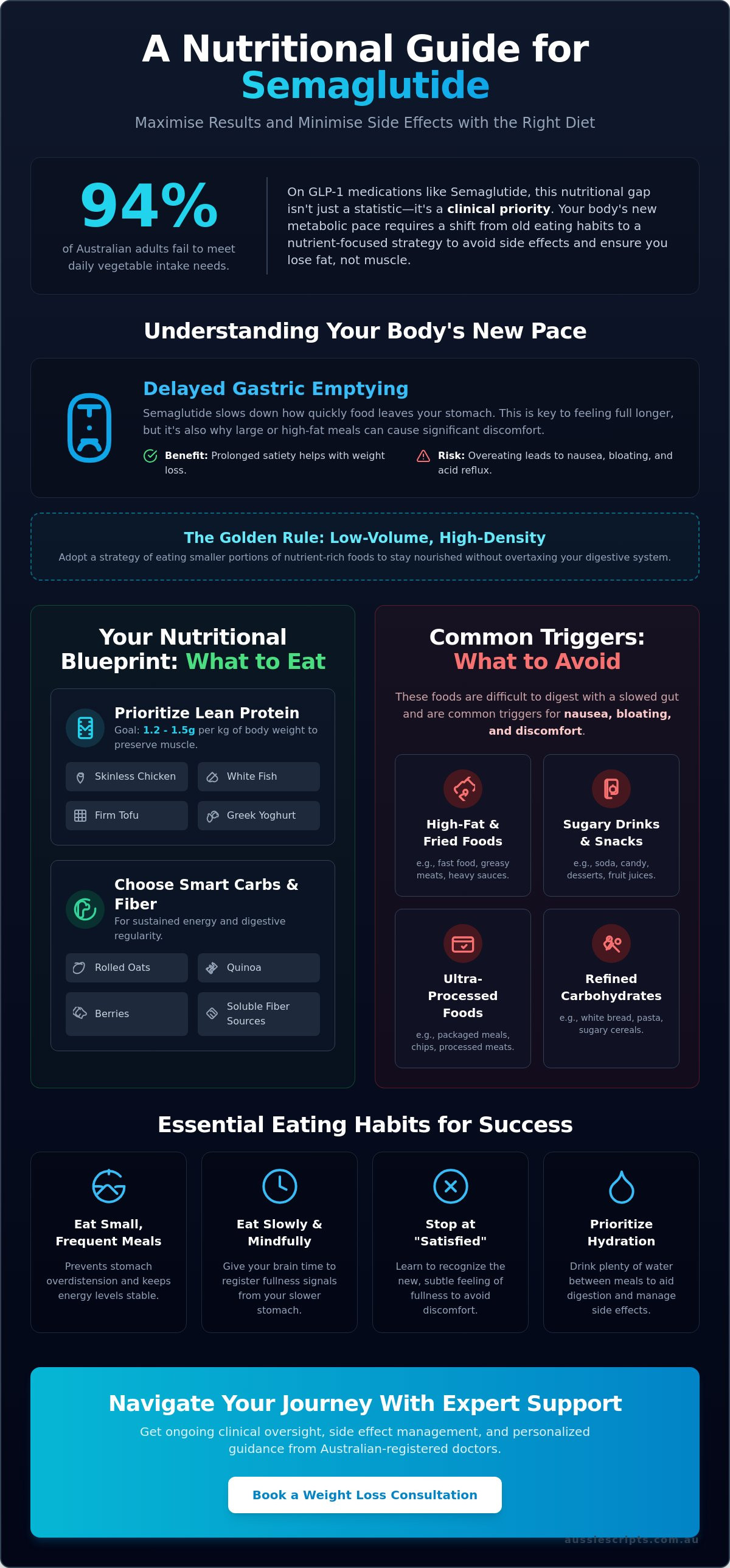
94% of Australian adults fail to meet daily vegetable intake requirements, but when you're using GLP-1 medications, these nutritional gaps become a clinical priority. If you're struggling with nausea or bloating, you've likely realized that your old dietary habits don't align with how this medication functions. Knowing exactly what to eat while on semaglutide is the difference between a difficult experience and a successful metabolic transformation.
It's common to feel apprehensive about eating when digestion slows down. You want to ensure you're losing fat, not muscle, while avoiding the gastrointestinal friction that often accompanies therapy. This 2026 guide offers a pragmatic framework to maximize your results and minimize side effects. We'll outline the low-volume, high-density strategy that prioritizes 1.2 to 1.5 grams of protein per kilogram of body weight to protect your lean mass. You'll also find a clear list of safe foods and high-fat triggers to avoid for consistent energy levels.
Key Takeaways
- Understand how delayed gastric emptying influences appetite and requires a shift in meal volume and frequency.
- Identify the optimal nutritional framework for what to eat while on semaglutide to prioritize lean protein and soluble fiber.
- Learn which high-fat and ultra-processed foods act as common triggers for persistent nausea and bloating.
- Adopt a small-volume eating strategy to maintain steady energy levels and avoid uncomfortable stomach overdistension.
- Discover how to book a Weight Loss Consultation for ongoing clinical oversight and side effect management with Australian-registered doctors.
Understanding How Semaglutide Impacts Your Digestion and Metabolism
Semaglutide operates as a GLP-1 receptor agonist, mimicking a naturally occurring hormone that regulates appetite and blood sugar levels. By activating these receptors, the medication signals the brain to feel satisfied while simultaneously slowing down the entire digestive tract. This metabolic shift is the primary reason why understanding what to eat while on semaglutide is essential for achieving your health goals. It's not just about eating less; it's about eating in alignment with your body's new physiological pace.
The Mechanics of Delayed Gastric Emptying
Gastric emptying is the rate at which food exits the stomach and enters the small intestine. This medication significantly decelerates that process. Food remains in the stomach for a much longer period than usual. While this delay provides the prolonged satiety needed for weight loss, it also creates a physical bottleneck. If you consume a large meal, the stomach cannot process the volume quickly enough. This often leads to acid reflux, bloating, and persistent nausea as the digestive system struggles to manage the load.
Your "fullness signal" will feel different than it did before starting treatment. Pre-medication hunger is often sharp and urgent, but on this therapy, fullness is a subtle, heavy sensation. You must learn to stop eating at the first sign of satisfaction. Overfilling a "slow" stomach is the most common cause of gastrointestinal distress. Shifting to a "low-volume, high-density" approach ensures you stay nourished without overtaxing your digestive capacity.
Why Nutritional Quality Matters More Than Ever
Reduced appetite leads to a natural calorie deficit. When your total food intake drops, the nutritional density of every bite becomes a clinical priority. Your body still requires a baseline level of vitamins, minerals, and essential amino acids to maintain muscle mass and metabolic function. Rapid weight loss carries a risk of nutrient deficiencies if your food choices are poor. Focusing on what to eat while on semaglutide ensures that your body isn't just losing weight, but is doing so while maintaining structural health.
Stable blood sugar is equally important. The medication improves insulin sensitivity, allowing your body to process glucose more effectively. Eating refined sugars or ultra-processed snacks can cause rapid insulin fluctuations that counteract these benefits. Prioritizing complex carbohydrates and lean proteins supports the medication's metabolic work. This strategy prevents the energy crashes often associated with low-calorie diets and helps maintain consistent vitality throughout your day.
The Best Foods to Eat While on Semaglutide for Weight Loss
Selecting what to eat while on semaglutide requires a clinical focus on nutrient density. Because your caloric intake is naturally reduced, your body risks breaking down muscle tissue for energy. This condition, known as sarcopenia, can be mitigated by prioritizing specific food groups that support metabolic health and digestive comfort. Every meal must be functional, providing the building blocks for tissue repair while respecting your stomach's limited capacity.
Lean Proteins for Muscle Preservation
Muscle preservation is the most critical aspect of your nutritional plan. You should aim for 1.2 to 1.5 grams of protein per kilogram of body weight daily to protect lean mass. High-quality sources include skinless chicken breast, white fish such as snapper or barramundi, firm tofu, and low-fat Greek yoghurt. These options provide essential amino acids without the digestive burden of high-fat meats, which can linger too long in a slow-moving gut.
Adopting a "protein-first" rule is highly effective. Consume your protein source at the beginning of each meal before moving to vegetables or carbohydrates. This ensures that even if you reach satiety quickly, you've prioritized the nutrients required for muscle repair. If you experience significant appetite suppression, high-quality whey or plant-based protein powders are useful. These liquid options are easier for the stomach to process while meeting your daily targets. Reviewing Semaglutide drug information can help you understand how the medication's mechanism makes these dietary adjustments necessary for long-term success.
Complex Carbohydrates and Fibre
Digestive regularity is a common challenge due to slowed gastric emptying. Soluble fibre is essential for maintaining bowel health and preventing constipation. Focus on "gentle" energy sources like rolled oats, quinoa, and berries. These low-glycemic carbohydrates provide sustained energy without the blood sugar spikes that can trigger nausea or insulin fluctuations. They are generally well-tolerated even during the initial weeks of treatment.
Non-starchy vegetables should form the remainder of your plate. Spinach, zucchini, and cucumbers are excellent choices. They provide essential micronutrients and have a high water content, which assists with kidney function and skin health during rapid weight loss. During the initial titration phase, avoid heavy whole grains or large portions of cruciferous vegetables like broccoli, as they may cause gas and bloating. If you need personalized guidance on managing your nutrition, a Weight Loss Consultation can provide a structured plan tailored to your specific clinical needs.
Prioritising these foods ensures your weight loss is sustainable. It moves the focus from simple calorie restriction to functional metabolic support, allowing the medication to work effectively without compromising your physical strength.
Foods to Avoid to Minimise Common Side Effects
Success with GLP-1 therapy involves more than just selecting nutrient-dense meals. It requires a disciplined approach to identifying and eliminating dietary triggers. While the previous sections focused on the "protein-first" strategy, this clinical guide addresses the specific items that frequently cause gastrointestinal distress. Knowing what to eat while on semaglutide is only half the battle; avoiding the following food groups is essential to prevent nausea, bloating, and acid reflux.
The Danger of Saturated and Trans Fats
Saturated and trans fats are the most common culprits for severe side effects. Because your stomach already processes food at a significantly reduced rate, high-fat meals create a digestive bottleneck. This leads to food fermenting in the stomach, which causes the "sulfur burps" many patients report. You should strictly avoid deep-fried foods, greasy takeaways, and heavy cream-based sauces. Even ultra-processed "diet" foods often contain hidden trans fats that irritate the gut lining.
If you consume fat, keep the portions small. A thin slice of avocado or a light drizzle of olive oil is generally acceptable. However, large servings of red meat or full-fat dairy can linger in the digestive tract for hours, causing intense pressure and indigestion. Reviewing official Semaglutide Injection documentation confirms that gastrointestinal side effects are dose-dependent and often exacerbated by poor dietary choices.
Sugary Snacks and Refined Carbs
Refined sugars and simple carbohydrates can trigger symptoms similar to "dumping syndrome." This occurs when high-sugar foods move from the stomach to the small intestine too rapidly, or cause a sharp insulin spike that the body struggles to manage. Patients often experience sudden dizziness, sweating, or heart palpitations after consuming sugary snacks. Refined white bread and sugary cereals should be replaced with the complex fibers mentioned in section two.
Liquid calories are another significant hurdle. Sugary sodas and fruit juices provide no satiety but can cause rapid blood sugar fluctuations. These drinks often lead to weight loss plateaus and can worsen nausea. To manage sweet cravings, opt for small servings of berries or a low-sugar protein yogurt instead of ultra-processed desserts.
Identifying Personal Triggers
Certain healthy foods can also be problematic. Cruciferous vegetables like broccoli, cauliflower, and cabbage are known for causing excessive gas. While these are usually nutritious, they may lead to painful bloating when your digestion is slowed. Additionally, spicy foods and heavy seasoning can irritate the stomach lining, leading to heartburn. It's helpful to keep a brief food diary during the first few weeks to identify your specific triggers. Understanding what to eat while on semaglutide is a personalized process that requires careful observation of how your body reacts to different textures and spice levels.
Essential Eating Habits and Hydration Strategies for 2026
Adapting your behavioral approach to nutrition is as vital as selecting the right ingredients. When considering what to eat while on semaglutide, you must also consider the timing and volume of your intake. The physiological delay in gastric emptying means your stomach's capacity is functionally reduced. Attempting to consume three large, traditional meals often results in physical discomfort. Instead, adopt a small and frequent meal pattern. Aim for five to six low-volume snacks or mini-meals throughout the day. This prevents stomach overdistension and maintains steady energy levels without taxing your digestive system.
Hydration requires a specific protocol. You should prioritize water intake between meals rather than during them. Drinking large amounts of fluid while eating can fill the stomach too quickly, leading to premature satiety or reflux. Aim for consistent sips throughout the day to ensure a baseline of 2 to 3 liters of water, adjusted for your activity level. This separation of solids and liquids is a simple but effective way to manage the limited space in your digestive tract.
Managing Portion Sizes and Eating Speed
Mindful eating is a clinical necessity. Implement the 20-minute rule: take at least twenty minutes to finish any meal. This provides your brain enough time to receive satiety signals from the gut. Chewing thoroughly is essential. It pre-digests food mechanically, reducing the workload on your slowed stomach. Using smaller plates, such as side plates, provides a visual cue that aligns with your reduced capacity. You must learn to recognize the stop signal. This is often a subtle feeling of pressure or a sudden loss of interest in the food. If you wait until you feel "full" in the traditional sense, you've likely overeaten, which often leads to nausea.
The Importance of Electrolyte Balance
Rapid weight loss and reduced food intake often lead to water and mineral depletion. Monitoring your electrolyte levels, specifically sodium, potassium, and magnesium, is essential to prevent common side effects like fatigue and headaches. When you eat less, you naturally consume fewer minerals. Incorporate sugar-free electrolyte sachets or mineral-rich bone broths into your daily routine. Watch for signs of dehydration, including dizziness, dark urine, or a persistently dry mouth. If these symptoms persist despite adequate fluid intake, you should seek professional advice. You can book a Weight Loss Consultation to discuss managing these side effects with an Australian-registered doctor.
Consistent monitoring of your habits ensures that the medication remains a tool for health rather than a source of discomfort. By combining the right food choices with these structured eating patterns, you create a sustainable environment for long-term metabolic success.
Accessing Professional Weight Loss Support via Telehealth in Australia
Managing a metabolic transformation requires more than just dietary changes. It requires consistent professional oversight to ensure your treatment remains safe and effective. Telehealth has become a primary method for Australians to access weight management services, with over 1.2 million people already using digital health platforms. This modern approach provides a direct link to Australian-registered doctors who understand the specific clinical requirements for what to eat while on semaglutide. By removing the bureaucratic delays of physical clinics, you can focus on your nutritional goals while maintaining rigorous medical supervision.
Aussie Scripts facilitates a clinical review process that prioritises patient safety and regulatory compliance. With 31.7% of Australian adults now classified as obese, the demand for accessible, expert-led weight management is at an all-time high. Digital consultations allow for the regular monitoring of side effects and the convenience of home delivery for medications. This ensures you never miss a dose, which is vital for maintaining the metabolic momentum established in the earlier stages of your programme.
Navigating Australian Clinical Standards
Strict adherence to TGA standards is a non-negotiable aspect of legitimate weight loss therapy. In Australia, doctors assess eligibility based on specific clinical markers, including Body Mass Index (BMI) and the presence of co-morbidities. This assessment ensures that prescriptions are only issued to those who meet the necessary health criteria. If your specific situation requires more detailed metabolic testing, a doctor can issue a Specialist Referral during your digital appointment. This ensures your care remains comprehensive and grounded in the Australian national framework.
The Benefits of Regular Digital Reviews
Clinical success with GLP-1 medications isn't a "set and forget" process. It requires titration support, which is the gradual adjustment of your dosage to balance weight loss results with your body's tolerance. Regular digital reviews allow your healthcare provider to monitor your adherence to the "protein-first" strategy discussed in section two and adjust your clinical plan as needed. You can use Aussie Scripts to manage repeat prescriptions or book a Weight Loss Consultation for a full clinical check-in.
Consistency is the foundation of long-term weight maintenance. The ability to consult with a doctor from your home reduces the friction often associated with chronic weight management. If you're ready to start a supervised journey with professional oversight, you can Book a weight loss consultation with an Australian doctor today. This ensures you have a dedicated partner to guide you through the complexities of your treatment and help you refine your understanding of what to eat while on semaglutide for lasting results.
Optimising Your Results Through Clinical Nutrition
Achieving sustainable weight loss requires a precise alignment between your medication and your daily nutritional choices. By prioritising lean proteins and soluble fibres, you protect your muscle mass while managing the physiological reality of delayed gastric emptying. Success isn't just about calorie restriction; it's about adopting behavioural shifts like mindful eating and structured hydration protocols to prevent gastrointestinal friction. Refining your approach to what to eat while on semaglutide is a continuous process that benefits from professional oversight and regular clinical reviews.
Aussie Scripts provides a streamlined pathway to manage this journey with authority and convenience. You can access consultations with Australian-registered doctors who provide the titration support necessary for long-term health. Our service includes convenient digital prescriptions and reliable national delivery across Australia, ensuring your treatment remains consistent regardless of your location. Taking a proactive role in your metabolic health is the most effective way to reach your goals safely. Start your weight loss journey with a professional telehealth consultation today and secure the expert guidance you need for a successful transformation.
Frequently Asked Questions
Can I drink alcohol while taking semaglutide?
You should significantly limit alcohol consumption while on this medication. Alcohol increases the risk of hypoglycemia and can exacerbate gastrointestinal side effects like nausea and vomiting. It also provides empty calories that may hinder your weight loss progress. If you choose to consume alcohol, opt for small amounts and avoid sugary mixers that cause rapid blood sugar fluctuations.
What should I do if I have no appetite at all?
Focus on consuming small, nutrient-dense snacks even if you don't feel hungry. Total appetite suppression can lead to severe fatigue and muscle wasting if you fail to meet baseline nutritional requirements. Prioritise high-quality protein shakes or small servings of low-fat Greek yoghurt. These liquid or soft options are easier for a "slow" stomach to process when solid food feels unappealing.
Why am I experiencing constipation and how can I fix it?
Constipation occurs because the medication decelerates the movement of food through your digestive tract. You can manage this by increasing your intake of soluble fibre from sources like oats and berries. It's equally important to maintain a strict hydration protocol between meals. If these dietary shifts don't resolve the issue, consult your healthcare provider about the safe use of stool softeners.
How much protein do I actually need to eat every day?
You need to consume between 1.2 and 1.5 grams of protein per kilogram of body weight daily. This clinical target is vital for preserving lean muscle mass while your body is in a significant calorie deficit. Deciding what to eat while on semaglutide should always start with meeting this protein goal to ensure your weight loss is metabolically healthy and sustainable.
Is it safe to eat spicy foods on this medication?
Spicy foods are a common trigger for heartburn and nausea while on this treatment. Because food stays in the stomach longer, irritants like capsaicin have more time to affect the gastric lining. It's safer to use mild herbs and seasonings during the initial titration phase. You can gradually reintroduce spice once you've established your individual tolerance levels.
Can I follow a Keto or Paleo diet while on semaglutide?
You can follow these diets, but you must modify them to account for slowed digestion. The high fat content of a traditional Keto diet often causes severe bloating and indigestion on this medication. If you prefer a Paleo approach, ensure you're incorporating enough "gentle" fibres from non-starchy vegetables to avoid the digestive backup often associated with high-protein, low-carb protocols.
Should I take vitamins or supplements alongside my treatment?
A high-quality multivitamin is often recommended because your total food volume is significantly lower. You may also benefit from electrolyte supplements to prevent the headaches and fatigue associated with rapid weight loss. Always discuss new supplements during a professional consultation. This ensures that your supplement regimen supports your primary treatment without causing additional gastric irritation.
What are "sulfur burps" and which foods cause them?
Sulfur burps are caused by food fermenting in the stomach due to delayed gastric emptying. High-fat, greasy meals and cruciferous vegetables like broccoli or cauliflower are the primary triggers. You can reduce the frequency of this side effect by eating smaller portions and avoiding the "trigger foods" identified in this guide. This prevents the stomach from becoming overdistended and struggling to process its contents.
Disclaimer
The information provided by AussieScripts is for general informational purposes only and does not constitute medical advice, diagnosis, or treatment. For advice tailored to your specific symptoms or health concerns, please consult one of our doctors or your regular GP.
