Build healthy habits for permanent weight loss with realistic goals
Explore building healthy habits for permanent weight loss with realistic goals, sustainable eating, movement and tracking tools to support lasting progress.
What if lasting weight loss depends less on pushing harder and more on making healthy routines easier to repeat? Building healthy habits for permanent weight loss can involve regular eating patterns, realistic goals and physical activity suited to your circumstances. Exercise can contribute, but it is one part of a broader approach, not the only measure of progress.
It’s understandable to want a clear plan, especially when strict changes are hard to maintain. A practical approach focuses on small, consistent actions and adjusts as your needs change. Progress comes from routines you can sustain, rather than relying on short-term motivation alone.
This article explains how realistic goals, eating habits, exercise and tracking tools can support lasting change. It also explores habit-based support and how a weight-loss professional can help shape an approach around your health and circumstances. You’ll find a clear overview of what to consider before choosing your next step.
Key Takeaways
- Notice when emotions, social situations or distractions shape eating, then use a food diary to help identify patterns.
- Track movement as well as food, and consider how walking and everyday activity can fit into a weight-management plan.
- Set manageable short-term goals. The NHS recommends aiming to lose 1 to 2 lb, or 0.5 to 1 kg, a week, and eating at least 5 portions of a variety of fruit and vegetables every day.
- Use tracking tools to make routines more visible, and seek dietitian support to understand food labels and plan practical choices.
- Build lasting change through small repeatable habits; an Aussie Scripts Weight Loss Consultation can provide professional support for weight management.
Table of Contents
Recognising emotional, social and distracted eating
Emotional eating can happen when food becomes a response to stress, boredom or low mood rather than hunger. Social eating may involve taking extra servings during a shared meal or choosing what others order. Distracted eating is more likely when your attention is on a screen, conversation or work instead of the meal. Noticing the situation, mood and hunger before eating can help you identify the pattern.
Eating decisions can become automatic: people make more than 200 food decisions a day, and many appear habitual. A food diary kept for a week can make these patterns easier to spot. A weight-loss professional can review entries with you, including meal timing, snacks, drinks, setting and emotions. The aim is to identify useful changes, not judge individual choices or label foods as failures.
Mindful eating gives a meal more attention. One practical step is to spend at least 20 minutes eating, pausing between bites and noticing when you feel satisfied. At a social meal, this can mean slowing down before taking seconds. For added sugar, note sweetened drinks, sauces and packaged snacks in the diary, then consider where a less-sweet option fits your usual routine.
Eat at least 5 portions of a variety of fruit and vegetables every day. Fruit, vegetables and whole grains can add variety and fibre to everyday meals. For example, pair wholegrain toast with fruit at breakfast, or include vegetables with lunch. A national eating pattern is a useful reference, while a professional can consider personal circumstances such as diabetes or heart disease.
What habits support sustainable, long-term weight loss? Regular meals, attentive eating, a varied food pattern and reviewing diary entries can help turn intentions into repeatable routines. Start with one practical change, such as eating lunch away from a screen, then notice how it fits your week. This steady approach to building healthy habits for permanent weight loss makes patterns visible without requiring perfection at every meal.
When reviewing your diary, look for repeated situations rather than judging a single choice. You might notice that you’re more likely to eat when bored, distracted or sharing a meal with others. Consider which situation feels most manageable to address. A small change to one routine can make eating more deliberate, while your diary helps you see whether the change is useful over time. The aim is to learn what tends to happen and choose a response that fits everyday life, not to expect perfect choices or make every meal a source of concern.
Regular meals and snacks, alongside fewer unplanned or habitual eating occasions, can support weight loss. Use your diary to notice whether meals and snacks happen regularly and whether eating between them is planned or automatic. If a pattern feels difficult to change, try one practical step, such as deciding when your next meal or snack will be and giving it your attention. Review your notes after a week to see which routines are becoming easier to maintain. This keeps the focus on repeatable habits rather than treating occasional unplanned eating as failure.
Is exercise part of the program?
Yes. A weight-loss program can include exercise and other movement that suits your routine. A professional can review your current activity, schedule and preferences, then help identify realistic changes. For example, a short walk during a lunch break may be easier to maintain than a demanding workout. Tracking activity can show what you already do and where more movement might fit.
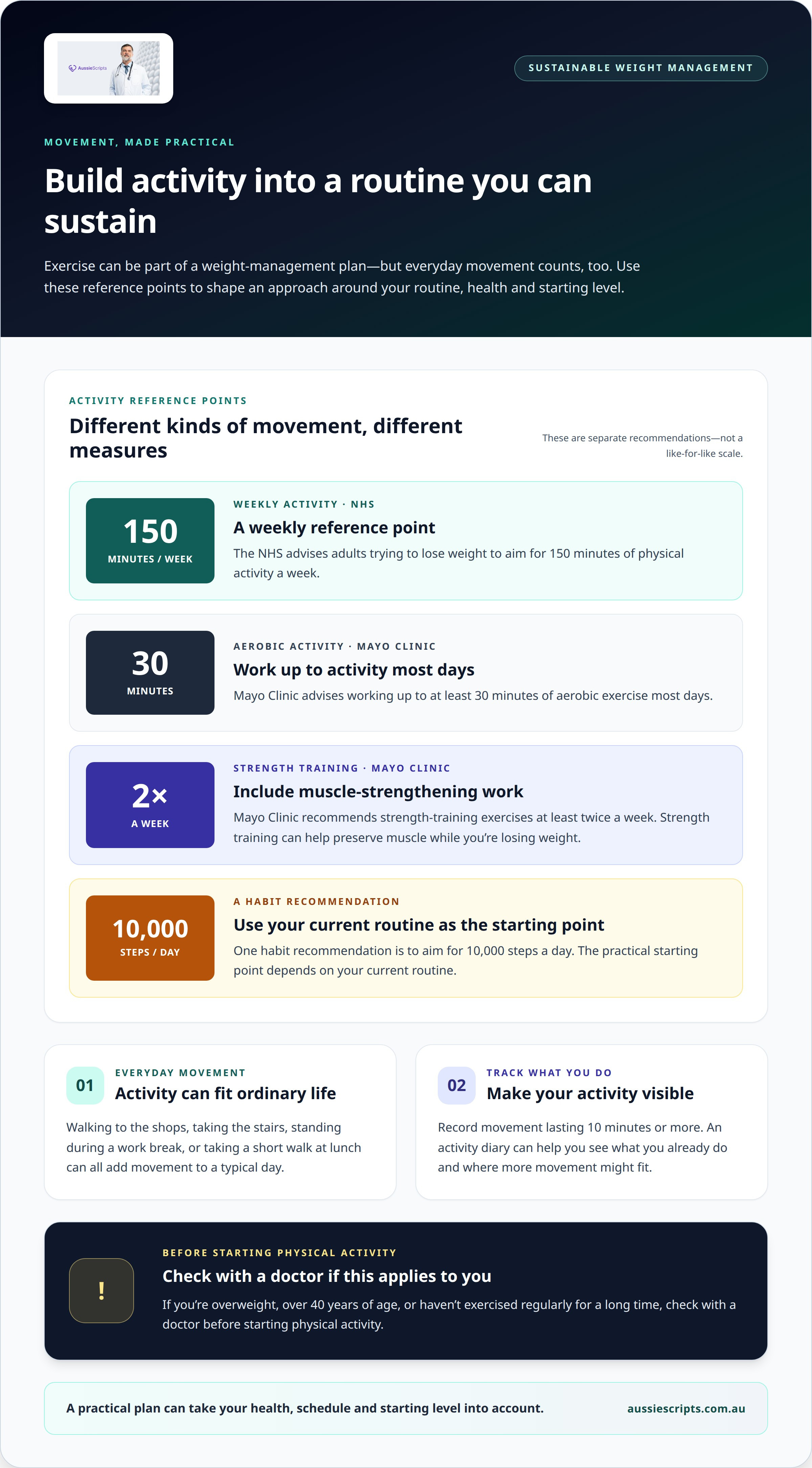
Strength training can help preserve muscle while you’re losing weight by challenging your muscles to keep working. Mayo Clinic recommends strength-training exercises at least twice a week. A professional can consider your experience and current activity when discussing an approach, rather than treating every exercise plan as one-size-fits-all.
Walking and everyday activity count, too. A walk to the shops, taking the stairs or standing during a work break can add movement to a typical day. One habit recommendation is to aim for 10,000 steps a day, but the practical starting point depends on your current routine. An activity diary can record movement lasting 10 minutes or more, making patterns easier to review.
For weekly activity, the NHS advises adults trying to lose weight to aim for 150 minutes of physical activity a week. Mayo Clinic advises working up to at least 30 minutes of aerobic exercise most days. These recommendations offer reference points, while a professional can help consider how activity fits your health, schedule and starting level.
Start by recording the movement you already do, such as walking, cycling or household tasks. A weight-loss professional can review your record and help identify a practical next step, such as adding a walk to an existing trip. This can help you find changes that feel realistic and track progress without relying only on formal exercise sessions.
If you’re overweight, over 40 years of age, or haven’t exercised regularly for a long time, check with a doctor before starting physical activity. This step helps account for your health and current fitness before increasing effort. Exercise can also affect hunger, so tracking activity alongside eating may help a professional understand how your routines interact while building healthy habits for permanent weight loss.
Choosing short-term daily or weekly goals
Short-term goals turn broad lifestyle changes into actions that fit an ordinary routine. A weight-loss professional can help you choose one behaviour to track, then define when and how it will happen. For example, you might add vegetables to lunch on workdays or take a walk after dinner. Clear actions are easier to review than a general aim to “eat better”.
Weight change can be a longer-term outcome, while daily actions provide nearer checkpoints. The NHS recommends aiming to lose 1 to 2 lb, or 0.5 to 1 kg, weekly. This rate offers a reference point when planning a loss goal. A professional can consider health, usual eating and activity when shaping targets. Reviewing progress can help identify a goal that needs adjustment to fit the person’s routine.
The NHS recommends eating at least 5 portions of a variety of fruit and vegetables every day. Make this measurable by choosing a specific meal or snack, such as fruit with breakfast or vegetables alongside dinner. If flavour is a barrier, discuss preferred produce and meal patterns with a weight-loss professional. A target based on familiar foods may fit an existing routine more easily than an unfamiliar change.
Movement can also become a short-term goal. A professional can review your current activity and help you find a realistic opportunity, such as walking part of a regular journey or taking the stairs at work. Set a goal that describes an action you can record, not simply an intention to “be more active”. This makes it easier to see whether the routine fits daily life and supports consistent choices.
Keep your first goal narrow. Harvard Health recommends choosing one feasible healthy habit and practising it consistently for about a week before adding another. A professional can review what worked, what disrupted the plan and whether the target needs to change. For example, if a planned walk clashes with work, another regular part of the day may be more practical. Small adjustments can help make healthy choices part of a lasting routine.
Food, exercise and weight tracking tools
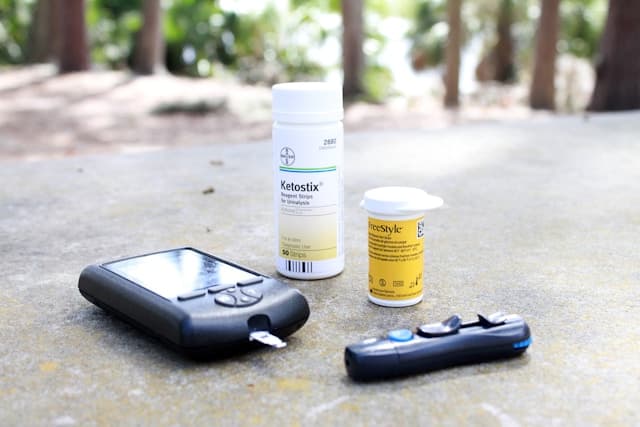
A useful tracking tool records patterns, not just numbers. A food diary can capture meals, snacks, drinks and hunger, while an activity diary records movement. A weekly weight record can show change over time. Together, these tools help a professional discuss what may be working and where healthy routines could fit better into daily life.
How many calories should I eat to lose weight safely? Mayo Clinic advises creating a daily energy deficit of about 500 to 750 calories to support weight loss. That is a deficit, not a daily intake target; a suitable intake depends on personal circumstances and eating patterns.
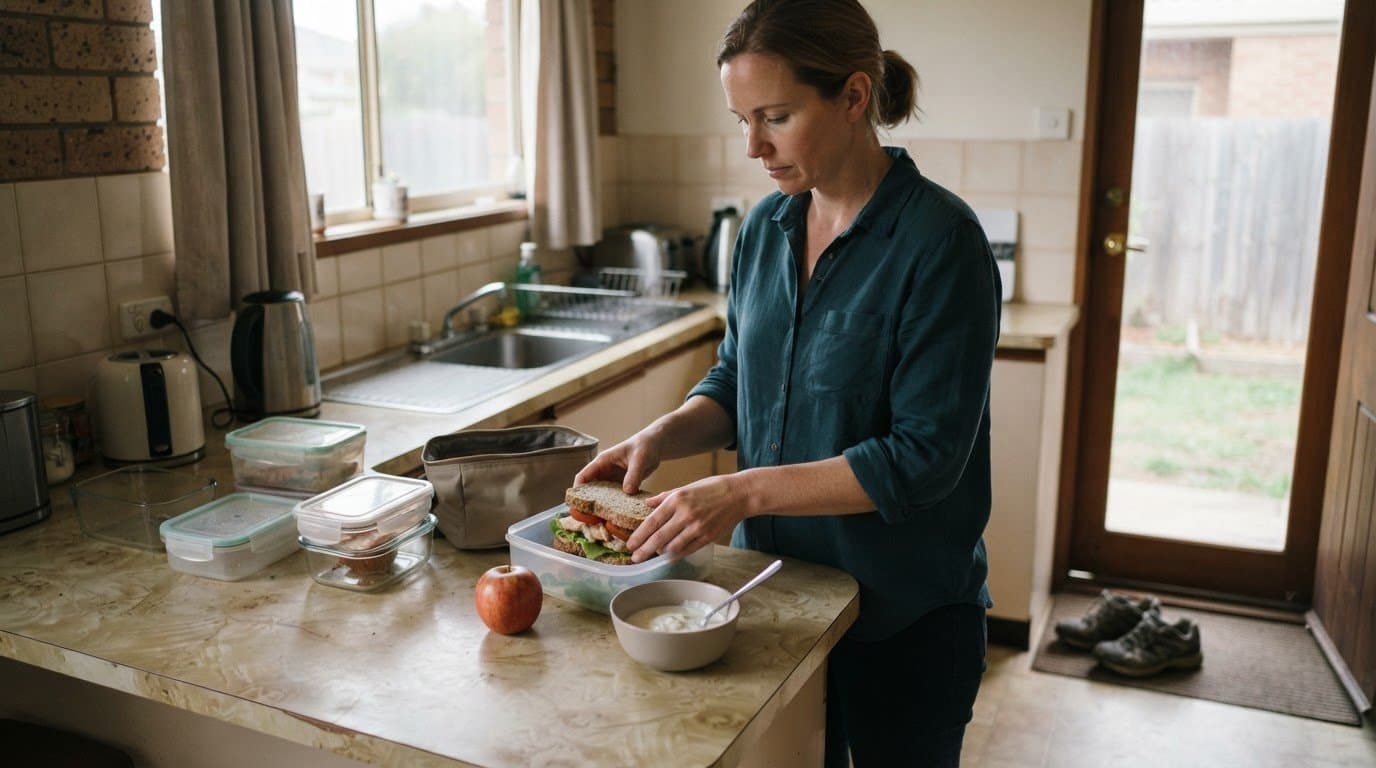
Food labels can help you compare packaged snacks. A dietitian can explain serving sizes, energy, added sugar and other details, then relate them to your usual choices. For example, compare two yoghurt labels using the same serving size. This makes label information more useful than judging a product by a single number or front-of-pack claim.
Plan snacks around foods that suit your routine, such as fruit, vegetables or plain yoghurt. Mayo Clinic notes that plant-based foods, including fruit, vegetables and whole grains, are low in calories and high in fibre, which can help people feel full. The recommendations advise limiting fruit juice to one small glass per day. A dietitian can help you fit these options into a broader plan.
How do sleep and stress affect weight management? Stress can disrupt eating routines, while poor sleep may make healthy choices harder to maintain. A diary can note sleep, stress and snack patterns alongside meals to help you identify possible links. For example, a late work shift may disrupt both bedtime and planned meals, making the pattern useful to discuss.
Keep tracking practical. Choose one method, such as a paper diary or phone notes, and record food, activity and weight consistently. A professional can review your entries, identify trends and adjust the plan rather than overreacting to one meal or weigh-in. If tracking increases concern about eating or weight, focus the review on habits and wellbeing instead.
Tools can support decisions without controlling them. Compare labels for packaged foods, note walks in your activity record, and review weight trends alongside everyday routines. Mayo Clinic also links fibre-rich plant foods with feeling full, offering a useful example when planning meals and snacks while losing weight or managing obesity.
Habit-based weight-loss interventions
Habit-based support focuses on repeating practical actions rather than relying on motivation alone. A plan might link a short walk to an existing daily routine or set a regular time for breakfast. Choose one or two small changes at a time. This makes it easier to notice what works, what creates stress and what needs adjusting. The aim is to build routines you can continue after active support ends.
What is a safe and realistic rate of weight loss per week? The NHS recommends aiming to lose 1 to 2 lb, or 0.5 to 1 kg, a week. Treat this as a guide, not a daily score. A weight-loss professional can review progress alongside habits, health and changes in routine, then help keep the plan focused on sustainable actions.
Habit interventions can support progress beyond an initial period. In one 12-week intervention, participants in habit-forming and habit-breaking groups lost an average of 3.1 kg. After a further 12 months without intervention or contact, participants had lost an average of another 2.1 kg. These findings describe that intervention, not a guaranteed result for every adult.
Keeping weight off also involves planning for setbacks. Mayo Clinic advises starting fresh the day after a setback rather than abandoning weight-loss efforts. For example, after an unplanned takeaway, return to the next usual meal instead of treating the day as lost. People who diet commonly regain 50% of the weight they lost during the first year after losing it, so ongoing routines matter.
When should you seek advice from a GP or accredited practising dietitian about weight loss? Speak with a GP when health conditions, medicines or changes in wellbeing could affect your plan. An accredited practising dietitian can tailor food choices to your needs, including when diabetes or another health concern affects eating. Professional input can be especially useful when a weight-loss plan feels difficult to sustain or causes concern.
A clear takeaway: choose a repeatable behaviour, track it and review it at a set point, such as the end of the week. If stress disrupts your routine, identify the obstacle and adjust the action rather than dropping the goal. This approach can help adults who want to lose weight and keep it off by making the plan workable in everyday life.
Aussie Scripts: Weight Loss Consultation
Aussie Scripts’ Weight Loss Consultation is a practical next step if you want professional input on weight management. It connects you with an Australian-registered doctor for a virtual consultation. You can discuss your health, weight-related goals and current routines, then consider an approach suited to your circumstances. A prescription is not automatic; treatment decisions depend on clinical assessment and your individual health needs.
This consultation may be useful if you’ve tried changing eating or activity habits and want to discuss what comes next. You can also ask about treatment options and how they might fit alongside habit-based changes. Sharing relevant details about your health and current medicines helps the doctor consider your circumstances during the assessment.
If you need a prescription after a consultation, Aussie Scripts also offers Standard Script and Express Script services. These options involve prescription assessments and do not replace clinical advice about weight management. The appropriate pathway depends on the reason for the prescription and the doctor’s assessment. A consultation does not guarantee that a prescription will be issued.
A Medical Certificate may be relevant when you need medical documentation following a health concern. It serves a different purpose from weight-management care or a prescription. The doctor considers the circumstances discussed during the consultation before deciding whether a certificate is appropriate. This distinction can help you identify which service addresses your need.
For Wegovy, distinguish TGA approval from PBS subsidy. The TGA has approved Wegovy in Australia for chronic weight management in eligible adults, including those with BMI ≥30 kg/m² or BMI ≥27 kg/m² with a weight-related comorbidity. Separately, the PBAC recommended a proposed PBS listing for a limited population with obesity and established cardiovascular disease, subject to pricing and risk-sharing arrangements. The listing process has not been completed, and Wegovy is not yet listed on the PBS. Ozempic is PBS-listed for specific diabetes indications; this does not mean Wegovy is PBS-subsidised for weight loss.
Aussie Scripts’ Weight Loss Consultation lets you discuss weight-management options with a doctor. To take the next step, choose the consultation and submit your details through the Aussie Scripts website.
Frequently Asked Questions
What does a balanced, weight-loss-friendly diet look like?
A healthy eating habit is eating at least 5 portions of a variety of fruit and vegetables every day. This can mean vegetables with dinner, fruit as a snack, wholegrain bread and a protein food such as eggs or legumes. Choose portions and meals that suit your needs and routine. A dietitian can help adapt food choices to health conditions, preferences and cultural or practical considerations.
How much physical activity is recommended for weight loss and health in Australia?
Activity needs depend on health, ability and current routine. As reference points, the NHS advises adults trying to lose weight to aim for 150 minutes of physical activity a week, while Mayo Clinic advises working towards 30 minutes of aerobic exercise most days. Mayo Clinic also recommends strength training twice a week. These are named organisations’ recommendations, not a statement of Australia’s national guideline.
What strategies help build habits and maintain weight loss long term?
Choose one behaviour that fits your week, link it to an existing routine, then review how it went. For example, prepare tomorrow’s lunch while making dinner, or take a short walk after a regular appointment. If work or stress disrupts the plan, adjust the cue or timing rather than abandoning the habit. A weight-loss professional can help review patterns and keep goals practical as circumstances change.
What are the risks of crash diets, weight-loss supplements and very low-calorie diets?
Rapid weight loss can involve losing both fat and muscle, and periods of semi-starvation can lower the body’s metabolic rate. Very restrictive plans may also be difficult to sustain, making it harder to resume normal eating routines. Supplement ingredients and effects vary, so don’t assume a product is suitable just because it is marketed for weight loss. Discuss restrictive diets or supplements with a GP or accredited practising dietitian.
Disclaimer
The information provided by AussieScripts is for general informational purposes only and does not constitute medical advice, diagnosis, or treatment. For advice tailored to your specific symptoms or health concerns, please consult one of our doctors or your regular GP.